Understanding backtofrontshow pricing requires more than a simple look at numbers. It involves analyzing the structure, value proposition, market positioning, and long-term benefits associated with this unique pricing model. Whether you are a business owner, digital creator, or an informed consumer, having a clear grasp of backtofrontshow pricing helps you make better financial and strategic decisions.
This in-depth article explores every dimension of backtofrontshow pricing, from its conceptual foundation to its practical implications. With a structured breakdown, detailed insights, and expert-level explanation, you will gain a complete understanding of how it works and why it matters.
What Is Backtofrontshow Pricing?
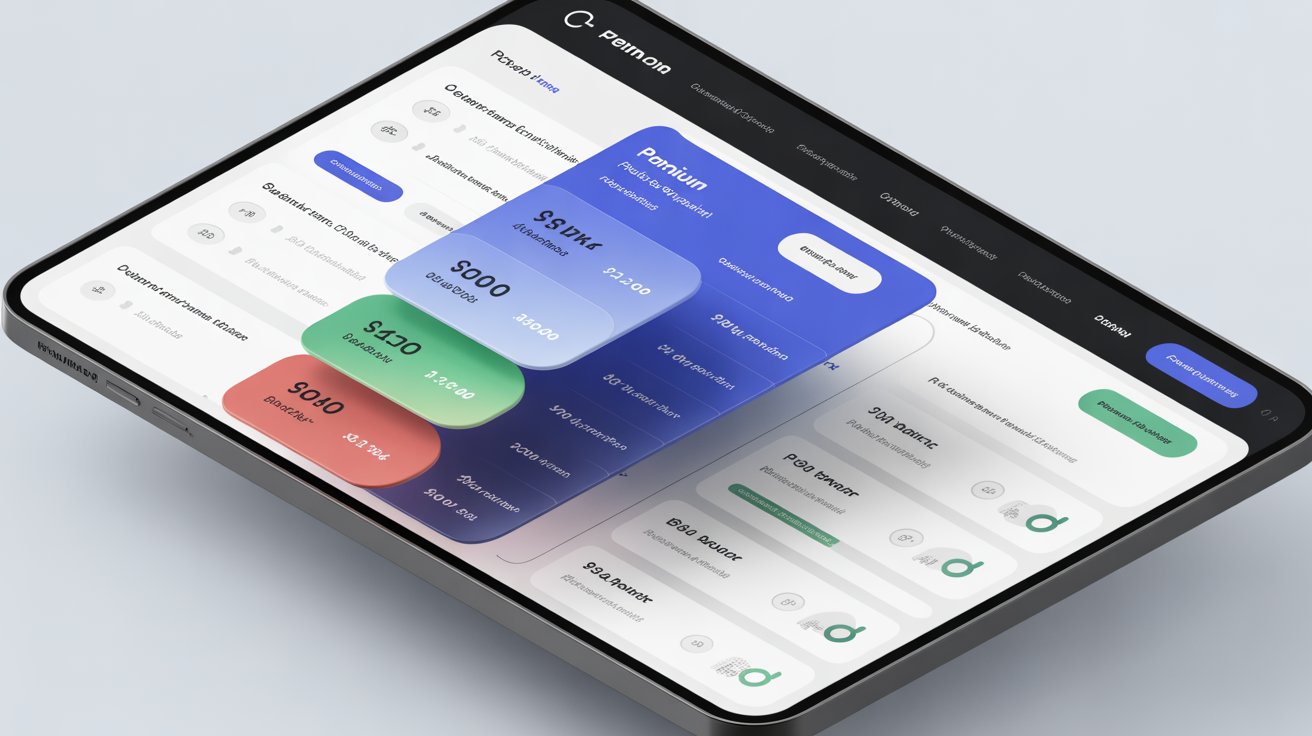
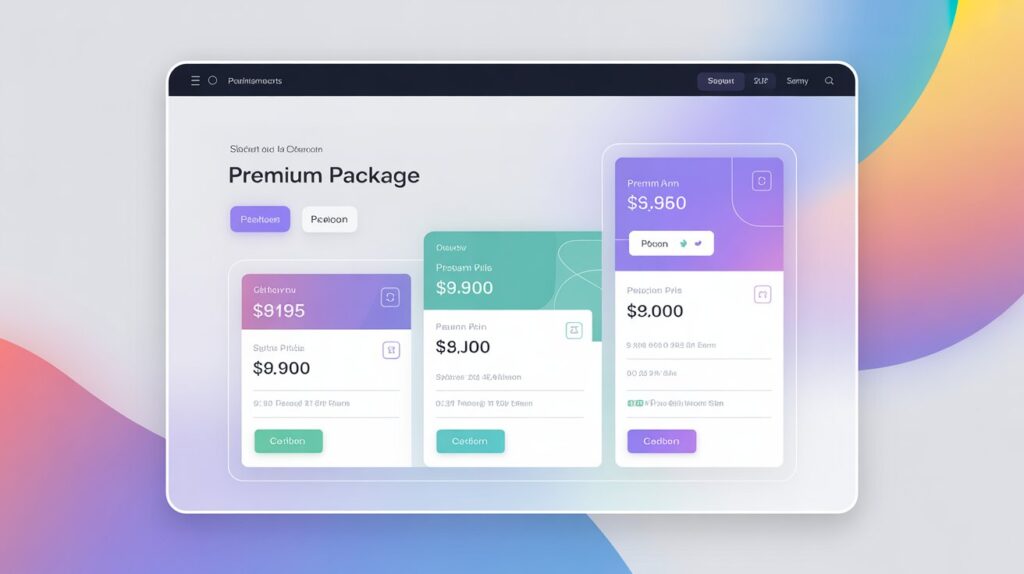
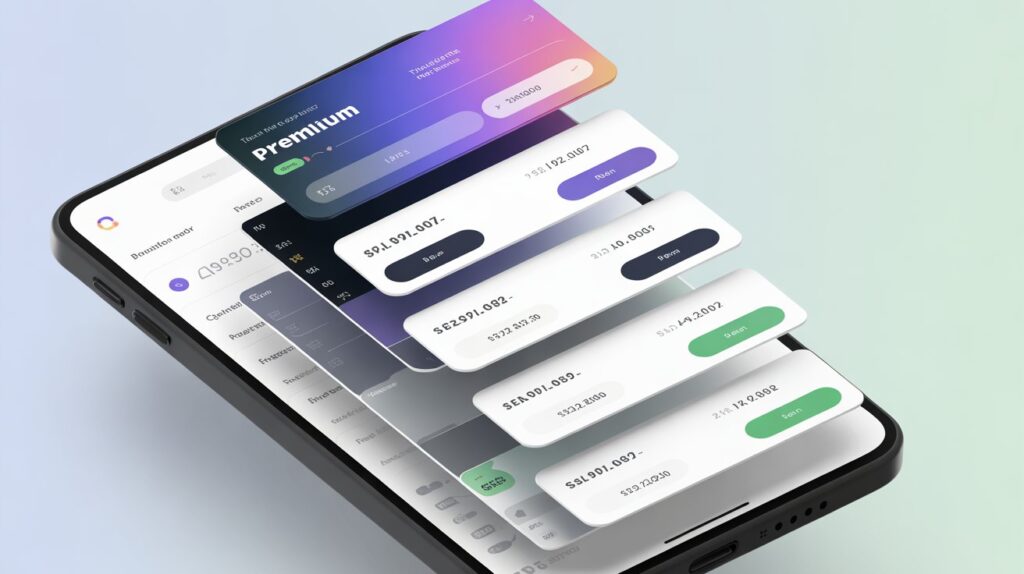
At its core, backtofrontshow pricing refers to a structured pricing approach where value is presented in reverse order—starting with premium offerings and working backward to basic tiers. This model is designed to influence perception, guide user decisions, and create a strong psychological anchor.
Unlike traditional pricing methods that begin with entry-level options, backtofrontshow pricing flips the narrative. It highlights the highest-value offering first, establishing a benchmark that makes other options appear more affordable and appealing.
Key Characteristics
- Premium-first presentation strategy
- Psychological anchoring for better conversions
- Tiered pricing structure
- Value-driven positioning
This approach is commonly used in digital platforms, subscription services, and premium content ecosystems.
Why Backtofrontshow Pricing Matters
The importance of backtofrontshow pricing lies in its ability to shape perception and influence decision-making. Pricing is not just about numbers; it is about how those numbers are presented.
Psychological Impact
When users see a high-priced option first, it sets a mental benchmark. Subsequent options appear more reasonable, increasing the likelihood of purchase.
Revenue Optimization
Businesses leveraging backtofrontshow pricing often experience higher average order values. Customers tend to choose mid-tier plans when premium options are presented upfront.
Brand Positioning
Starting with a premium offering communicates quality, authority, and exclusivity—key factors in building a strong brand identity.
Structure of Backtofrontshow Pricing Models
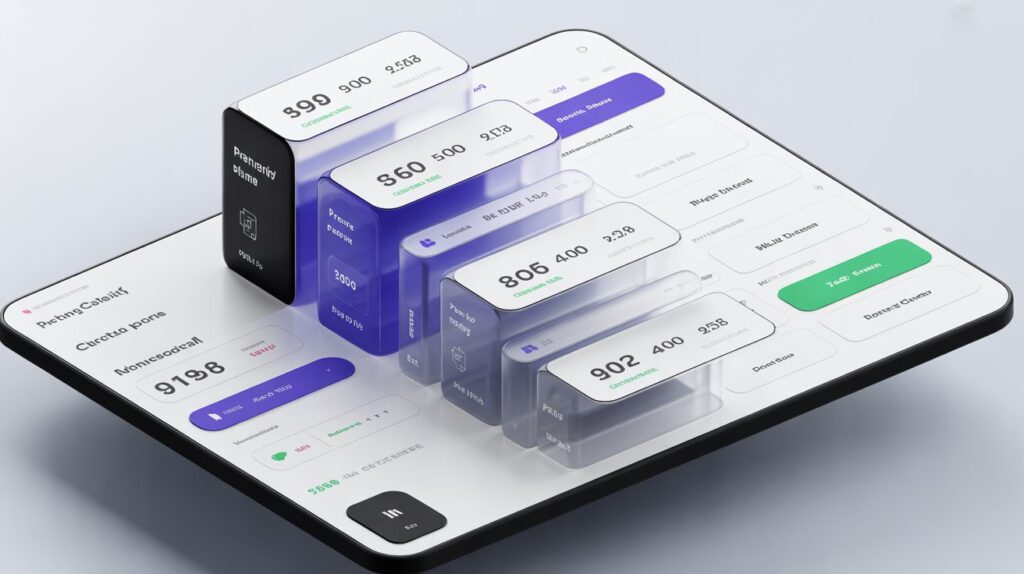
A well-designed backtofrontshow pricing structure typically includes multiple tiers arranged strategically.
1. Premium Tier (Front-Facing)
- Highest price point
- Maximum features
- Exclusive benefits
2. Mid-Level Tier
- Balanced pricing
- Most popular choice
- Strong value proposition
3. Entry-Level Tier
- Lowest cost
- Basic features
- Entry point for new users
This reverse hierarchy ensures that customers perceive value progressively rather than comparatively.
How Backtofrontshow Pricing Influences Buyer Behavior
Understanding customer psychology is essential to grasp the effectiveness of backtofrontshow pricing.
Anchoring Effect
The first price a customer sees influences all subsequent judgments. By presenting the highest price first, backtofrontshow pricing sets a strong anchor.
Decoy Effect
Mid-tier options become more attractive when placed between high and low extremes. This strategic placement increases conversions.
Perceived Value Enhancement
Customers associate higher prices with better quality. By leading with premium pricing, the entire offering gains credibility.
Benefits of Backtofrontshow Pricing
Adopting backtofrontshow pricing offers several advantages for businesses and consumers alike.
For Businesses
- Increased revenue potential
- Improved conversion rates
- Stronger brand perception
- Better product differentiation
For Customers
- Clear value comparison
- Enhanced decision-making clarity
- Access to premium insights upfront
Challenges and Considerations
Despite its advantages, backtofrontshow pricing is not without challenges.
Risk of Overpricing Perception
If the premium tier is too expensive without clear justification, it may discourage potential customers.
Complexity in Structuring
Designing an effective pricing hierarchy requires careful planning and market research.
Audience Sensitivity
Different audiences respond differently to pricing strategies. What works for one market may not work for another.
Backtofrontshow Pricing in Different Industries
The application of backtofrontshow pricing varies across industries.
Digital Services
Platforms offering subscriptions or memberships frequently use this model to highlight premium plans.
E-commerce
Luxury brands use backtofrontshow pricing to emphasize exclusivity and quality.
Media and Content Platforms
Premium content packages are often showcased first to establish authority and value.
Strategic Implementation of Backtofrontshow Pricing
Implementing backtofrontshow pricing effectively requires a strategic approach.
Step 1: Define Value Clearly
Ensure that each pricing tier offers distinct and measurable value.
Step 2: Design Visual Hierarchy
Presentation matters. The premium option should stand out visually.
Step 3: Use Persuasive Copy
Highlight benefits rather than features to justify pricing.
Step 4: Test and Optimize
Continuously analyze performance and adjust pricing structures accordingly.
Biography Table: Backtofrontshow Pricing Overview
| Aspect | Details |
|---|---|
| Concept Name | Backtofrontshow Pricing |
| Category | Pricing Strategy |
| Core Principle | Premium-first presentation |
| Primary Goal | Influence customer perception |
| Key Feature | Reverse-tier pricing display |
| Industries Used In | Digital services, e-commerce, media |
| Psychological Basis | Anchoring and decoy effects |
| Benefits | Higher conversions, improved branding |
| Challenges | Perceived cost barriers, complexity |
| Ideal Use Case | Subscription-based platforms |
| Strategic Importance | Revenue optimization and positioning |
Comparison With Traditional Pricing Models
To fully understand backtofrontshow pricing, it is useful to compare it with traditional pricing strategies.
Traditional Pricing
- Starts with lowest price
- Builds upward
- Focuses on affordability
Backtofrontshow Pricing
- Starts with highest price
- Works downward
- Focuses on value perception
This fundamental difference significantly impacts how customers interpret pricing options.
Future Trends in Backtofrontshow Pricing
As markets evolve, backtofrontshow pricing continues to adapt.
Personalized Pricing Experiences
Advanced analytics allow businesses to tailor pricing presentations based on user behavior.
Dynamic Pricing Models
Real-time adjustments enhance the effectiveness of backtofrontshow pricing.
Integration with AI and Data Insights
Data-driven strategies refine pricing structures for maximum impact.
Best Practices for Maximizing Results
To get the most out of backtofrontshow pricing, consider the following best practices:
Highlight Value Over Cost
Focus on what customers gain rather than what they pay.
Maintain Transparency
Clearly explain what each tier includes.
Avoid Overcomplication
Keep pricing structures simple and easy to understand.
Leverage Social Proof
Testimonials and usage statistics reinforce value perception.
Common Mistakes to Avoid
Even a powerful strategy like backtofrontshow pricing can fail if misapplied.
- Overloading tiers with unnecessary features
- Setting unrealistic price gaps
- Ignoring customer feedback
- Failing to communicate value effectively
Avoiding these pitfalls ensures long-term success.
Deduction
Backtofrontshow pricing is more than just a pricing model; it is a strategic tool that shapes perception, drives decisions, and enhances value. By presenting premium options first, businesses can create a strong psychological anchor that influences customer behavior in meaningful ways.
When implemented correctly, backtofrontshow pricing leads to improved conversions, stronger brand positioning, and greater customer satisfaction. However, it requires careful planning, clear communication, and continuous optimization.
In an increasingly competitive market, mastering backtofrontshow pricing can provide a significant advantage, helping businesses stand out while delivering exceptional value to their audience.