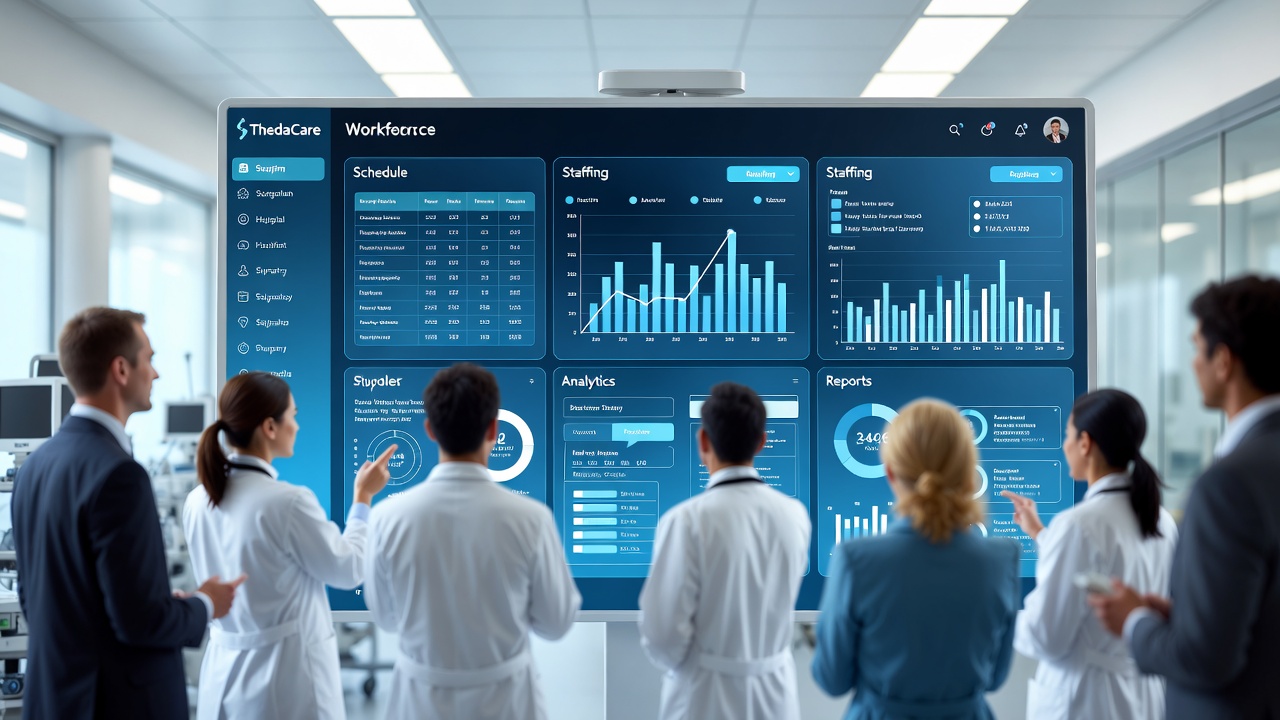
Modern healthcare systems face a constant challenge: delivering high-quality patient care while managing complex staffing demands. Hospitals and healthcare networks must balance physician schedules, patient volume, regulatory compliance, and operational efficiency—all while ensuring clinicians remain focused on patient outcomes rather than administrative burdens.
One technology solution that has gained attention for addressing these challenges is smart square thedacare. This platform integrates workforce management, scheduling intelligence, and operational planning into a streamlined system that supports healthcare professionals and administrators alike.
The implementation of smart square thedacare represents a broader transformation in healthcare management, where digital tools play a central role in improving efficiency, transparency, and care coordination. By combining data-driven insights with user-friendly scheduling features, the platform helps medical institutions manage their workforce more effectively and adapt to changing clinical demands.
Introduction to Smart Square ThedaCare
Healthcare organizations rely on precise coordination between physicians, nurses, administrators, and support staff. Traditional scheduling methods—such as spreadsheets, emails, and manual shift assignments—often lead to inefficiencies, communication gaps, and staffing imbalances.
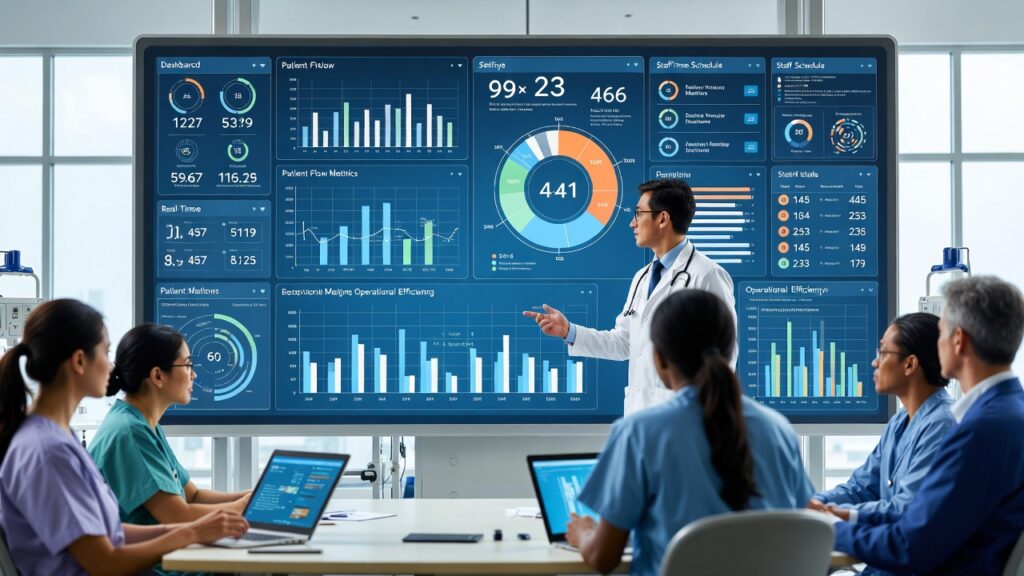
smart square thedacare is a specialized workforce management system designed to address these issues. The platform allows healthcare organizations to manage staff scheduling, track availability, analyze staffing trends, and optimize workforce utilization in real time.
Within the ThedaCare healthcare network, the system supports physicians and administrators by providing an integrated digital environment where schedules, staffing requests, and operational data can be accessed quickly and efficiently.
The goal of smart square thedacare is not simply to automate scheduling but to create a smarter framework for managing healthcare personnel while maintaining high standards of patient care.
Understanding ThedaCare and Its Digital Transformation
Before exploring the platform in detail, it is helpful to understand the organization behind it.
ThedaCare is a prominent healthcare system known for innovation in patient-centered care and operational excellence. Its commitment to improving both clinical outcomes and workplace efficiency has driven the adoption of modern technological solutions.
ThedaCare Overview
| Attribute | Details |
|---|---|
| Organization Name | ThedaCare |
| Industry | Healthcare and Medical Services |
| Founded | Early 20th Century |
| Headquarters | Wisconsin, United States |
| Primary Focus | Patient-centered healthcare services |
| Technology Integration | Advanced healthcare IT systems |
| Workforce Size | Thousands of medical professionals |
| Digital Tools Used | Scheduling, analytics, patient management |
| Workforce Platform | smart square thedacare |
| Key Objective | Improve staffing efficiency and patient care |
This organizational background explains why smart square thedacare became an important part of ThedaCare’s operational strategy.
What Is Smart Square ThedaCare?
At its core, smart square thedacare is a workforce management platform specifically tailored for healthcare environments. Unlike generic scheduling software, it is designed with medical workflows in mind.
The platform supports several essential functions:
- Physician scheduling
- Staff shift management
- Workforce analytics
- Operational planning
- Communication between departments
By centralizing these processes, smart square thedacare allows hospital administrators to respond quickly to staffing changes, patient demand fluctuations, and scheduling conflicts.
Healthcare organizations often operate 24 hours a day, which means scheduling complexity is extremely high. Digital systems like smart square thedacare reduce manual effort and provide real-time visibility into staffing levels.
Key Features of Smart Square ThedaCare
1. Intelligent Physician Scheduling
One of the most significant features of smart square thedacare is its ability to streamline physician scheduling. Hospitals often manage dozens—or even hundreds—of clinicians across multiple departments.
The system enables administrators to:
- Assign shifts efficiently
- Track physician availability
- Avoid schedule conflicts
- Maintain fair distribution of workload
By using automated tools and structured workflows, smart square thedacare minimizes the administrative burden associated with scheduling.
2. Real-Time Staffing Visibility
Healthcare environments require constant awareness of staffing levels. Unexpected patient surges, staff absences, or emergency situations can disrupt hospital operations.
With smart square thedacare, administrators can quickly review staffing data in real time. The platform offers dashboards and analytics that show:
- Current staffing levels
- Upcoming shifts
- Open positions
- Departmental coverage
This visibility enables healthcare leaders to make informed decisions quickly.
3. Workforce Analytics and Data Insights
Modern healthcare systems rely heavily on data to guide operational decisions. smart square thedacare includes analytical tools that help organizations understand staffing patterns and identify opportunities for improvement.
These insights can reveal:
- Peak patient demand periods
- Staffing shortages
- Department workload trends
- Long-term workforce planning needs
Through these analytics, smart square thedacare helps healthcare networks move from reactive staffing to proactive workforce planning.
4. Improved Communication Between Teams
Communication challenges are common in large medical institutions. Scheduling updates, shift changes, and administrative notices often require rapid coordination.
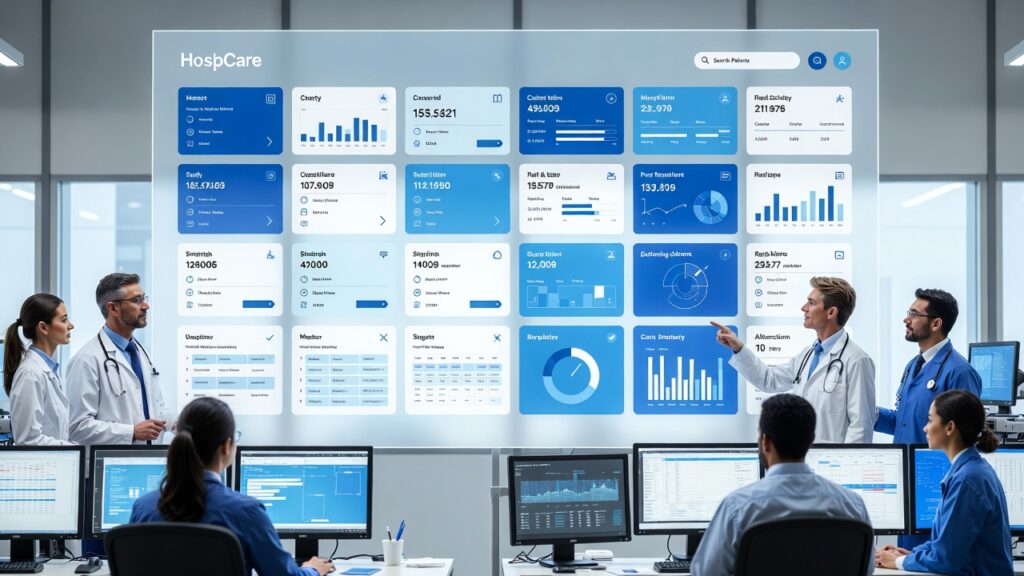
smart square thedacare simplifies communication by providing a centralized platform where staff members can view updates, submit requests, and receive notifications.
This reduces reliance on fragmented communication channels and ensures that everyone works with the same scheduling information.
5. Mobile Accessibility
Healthcare professionals rarely spend their entire workday at a desk. Physicians, nurses, and administrators move constantly between departments and clinical areas.
Because of this, smart square thedacare supports mobile-friendly access. Staff members can review schedules, request time off, or check upcoming shifts from their devices, improving convenience and accessibility.
Benefits for Healthcare Professionals
The advantages of smart square thedacare extend beyond administrators. Physicians and healthcare workers also benefit from improved scheduling transparency.
Key benefits include:
- Easier access to schedules
- Reduced confusion about shifts
- Faster communication with administrators
- Greater control over availability
These improvements help reduce workplace stress and allow clinicians to focus more fully on patient care.
Benefits for Healthcare Administrators
From an operational perspective, smart square thedacare provides powerful tools for hospital management.
Administrators gain the ability to:
- Optimize staffing distribution
- Improve workforce planning
- Reduce scheduling errors
- Track performance metrics
By integrating scheduling with data analytics, smart square thedacare supports better decision-making across the organization.
Impact on Patient Care
Although scheduling platforms may seem administrative, they have a direct influence on patient outcomes.
When hospitals maintain appropriate staffing levels, patients benefit from:
- Shorter waiting times
- Improved clinical attention
- Better care coordination
By enabling efficient workforce management, smart square thedacare indirectly enhances the quality of patient care across the healthcare system.
Security and Compliance in Healthcare Technology
Healthcare systems handle sensitive information, making security and regulatory compliance critical.
Platforms like smart square thedacare are designed with strict data protection measures to ensure that workforce information remains secure. Healthcare organizations must comply with industry regulations and privacy standards, which require robust safeguards.
These security practices help protect both staff information and operational data.
The Role of Digital Workforce Management in Modern Healthcare
The adoption of tools such as smart square thedacare reflects a broader shift toward digital healthcare management.
Healthcare organizations increasingly rely on:
- Predictive analytics
- Automated scheduling systems
- Data-driven planning
- Integrated communication platforms
These technologies enable hospitals to operate more efficiently while maintaining a strong focus on patient care.
Challenges in Implementing Workforce Management Systems
Despite the benefits, implementing a platform like smart square thedacare requires careful planning.
Healthcare organizations may face challenges such as:
- Staff training requirements
- Data migration from legacy systems
- Integration with existing hospital software
- Organizational change management
However, with proper implementation strategies, these challenges can be successfully addressed.
Future Developments in Healthcare Scheduling Technology
The future of healthcare workforce management will likely include even more advanced capabilities.
Technologies that may influence platforms like smart square thedacare include:
- Artificial intelligence scheduling predictions
- Predictive patient demand modeling
- Advanced workforce analytics
- Integrated hospital operations dashboards
These innovations could further improve staffing accuracy and hospital efficiency.
Why Smart Square ThedaCare Matters
The healthcare industry operates in one of the most demanding environments in the world. Hospitals must deliver high-quality care while managing limited resources and complex staffing needs.
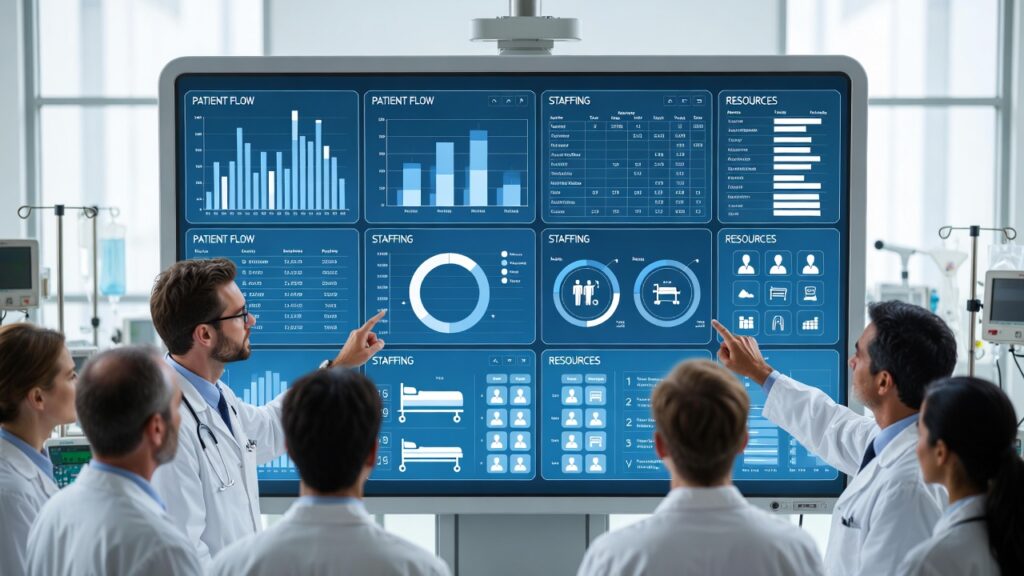
smart square thedacare addresses these challenges by providing a structured, data-driven system for workforce management. Its scheduling tools, analytics capabilities, and communication features help healthcare organizations operate more efficiently while supporting medical professionals in their daily work.
The platform represents an important step toward modernizing healthcare operations and improving both staff experience and patient outcomes.
Conclusion
Digital transformation continues to reshape healthcare systems across the world. As hospitals seek ways to improve efficiency and maintain high standards of care, workforce management solutions have become essential.
smart square thedacare stands as a powerful example of how technology can streamline scheduling, improve communication, and support better operational planning. By combining intelligent scheduling tools with real-time data insights, the platform helps healthcare organizations navigate the complexities of modern medical environments.
For healthcare professionals and administrators alike, systems like smart square thedacare represent a significant advancement in the way medical institutions manage their most valuable resource: their people.