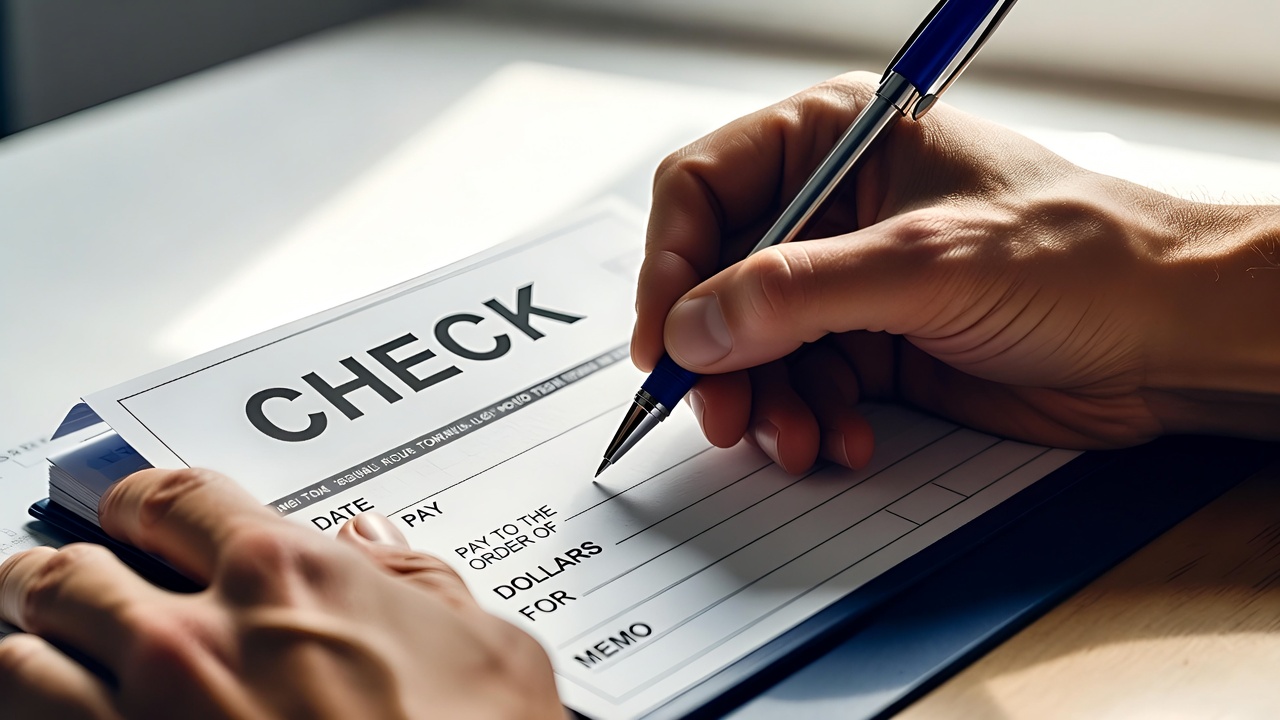
Writing a check may seem like a fading skill in an increasingly digital financial world, yet it remains an essential and widely accepted method of payment across many industries. From rent payments to business transactions, understanding how to write a check correctly ensures accuracy, professionalism, and financial security.
This comprehensive guide explains everything you need to know—from the anatomy of a check to step-by-step instructions, common mistakes, security tips, and modern relevance. Whether you are a beginner or someone looking to refine your financial literacy, this article provides a clear, authoritative roadmap.
Understanding the Purpose of a Check
A check is a written, dated, and signed document that directs a bank to pay a specific amount of money from your account to the person or entity named on the check. Despite the rise of online banking, checks continue to play a vital role in formal and traceable financial transactions.
Learning how to write a check is not merely about filling in blanks—it is about ensuring legal validity, preventing fraud, and maintaining accurate financial records.
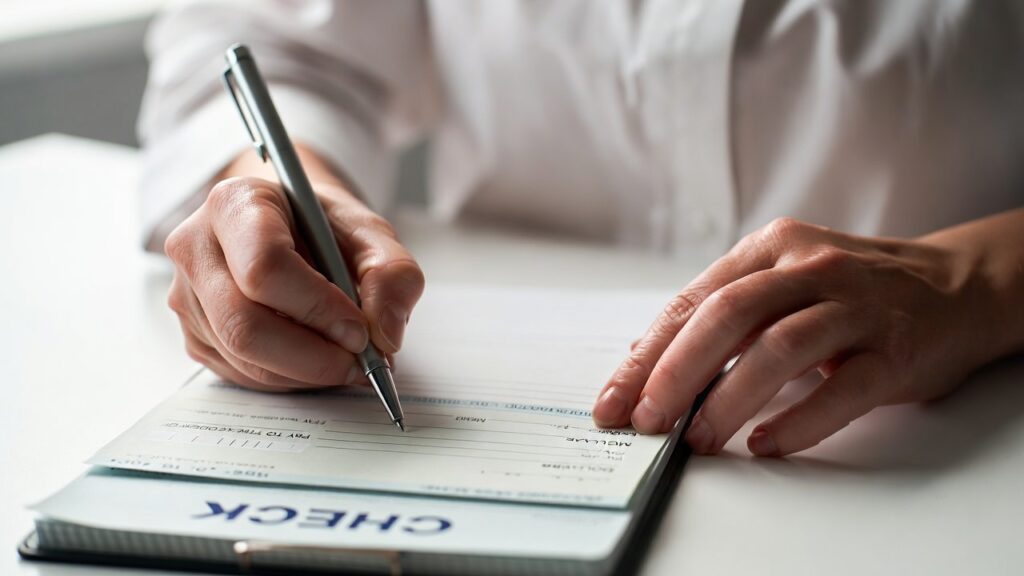
Anatomy of a Check: Key Components Explained
Before diving into how to write a check, it is crucial to understand the different parts of a check. Each section serves a specific purpose and must be completed accurately.
1. Date Line
Located at the top right corner, this indicates when the check is written.
2. Payee Line
This is where you write the name of the person or organization receiving the payment.
3. Amount Box
A small box where you write the numerical value of the payment.
4. Amount Line
Below the payee line, this is where the amount is written in words.
5. Memo Line
An optional section used to describe the purpose of the payment.
6. Signature Line
Your signature authorizes the bank to process the payment.
7. Routing and Account Numbers
Located at the bottom, these numbers identify your bank and account.
Quick Reference Table (Biography-Style Overview)
| Field | Purpose | Example Entry |
|---|---|---|
| Date | Indicates when check is issued | March 21, 2026 |
| Payee | Who receives the money | John Smith |
| Amount (Numeric) | Payment value in numbers | 500.00 |
| Amount (Words) | Payment value written in words | Five hundred dollars |
| Memo | Payment reason | Rent for March |
| Signature | Authorizes the transaction | Your signature |
| Routing Number | Identifies your bank | 123456789 |
| Account Number | Identifies your account | 987654321 |
This table provides a quick, structured reference for mastering how to write a check efficiently.
Step-by-Step Guide on How to Write a Check
Mastering how to write a check becomes simple when broken into clear, actionable steps.
Step 1: Write the Date
Start by entering the current date in the top right corner. Use a standard format such as “March 21, 2026.”
Step 2: Add the Payee Name
Write the full name of the recipient on the “Pay to the Order of” line. Ensure correct spelling to avoid processing issues.
Step 3: Enter the Amount in Numbers
In the box provided, write the exact amount using numbers. For example, “500.00.”
Step 4: Write the Amount in Words
On the line below the payee, write the amount in words. For example, “Five hundred dollars only.” This acts as a safeguard against alterations.
Step 5: Fill in the Memo Line (Optional)
Include a brief note such as “Utility bill” or “Invoice #1023.” This helps with record-keeping.
Step 6: Sign the Check
Sign your name exactly as it appears on your bank records. Without a signature, the check is invalid.
Common Mistakes to Avoid When Writing a Check
Even small errors can lead to complications. When learning how to write a check, avoid these common pitfalls:
Incorrect Spelling of Payee
A misspelled name can prevent the recipient from cashing the check.
Mismatch Between Numeric and Written Amount
Banks typically prioritize the written amount, so inconsistencies can cause confusion or rejection.
Leaving Blank Spaces
Empty spaces can be exploited for fraud. Always fill unused areas with lines.
Forgetting to Sign
An unsigned check is legally void.
Using Pencil or Erasable Ink
Always use permanent ink to prevent tampering.
Security Tips for Writing Checks Safely
Understanding how to write a check also involves protecting yourself from fraud and misuse.
Use Permanent Ink
This prevents alterations after the check is issued.
Avoid Post-Dating Without Reason
Post-dated checks can sometimes be processed earlier than intended.
Store Checks Securely
Keep your checkbook in a safe place to prevent unauthorized access.
Monitor Your Bank Statements
Regularly review transactions to detect suspicious activity.
Void Mistakes Properly
If you make an error, write “VOID” across the check and keep it for your records.
When and Why Checks Are Still Relevant
Despite digital alternatives, checks remain valuable in many scenarios:
- Rent and Lease Payments
- Formal Business Transactions
- Government Payments
- Gifts and Donations
Knowing how to write a check ensures you can participate confidently in these situations.
Advanced Tips for Professional Use
For business or formal contexts, mastering how to write a check at a professional level is essential.
Use Business Checks
These include additional details like company name and logo.
Maintain a Check Register
Record every check issued to track spending and maintain balance accuracy.
Number Your Checks Sequentially
This helps in auditing and financial organization.
Reconcile Monthly
Match your check register with bank statements to avoid discrepancies.
How to Correct a Mistake on a Check
Errors can happen, but correcting them improperly can invalidate the check.
- If the mistake is minor, draw a single line through it and initial nearby.
- For major errors, void the check and write a new one.
- Never overwrite or use correction fluid.
These practices are essential when learning how to write a check with precision.
Digital Age vs Traditional Checks
While online transfers dominate, checks offer unique advantages:
| Feature | Checks | Digital Payments |
|---|---|---|
| Traceability | High | High |
| Speed | Slower | Instant |
| Security | Requires physical handling | Requires cybersecurity |
| Accessibility | Universal | Internet-dependent |
Understanding how to write a check ensures you are equipped for both traditional and modern financial systems.
Frequently Asked Questions
Is it still important to learn how to write a check?
Yes, checks are still used in many formal and legal transactions.
Can I write a check in any ink color?
Blue or black ink is recommended for clarity and authenticity.
What happens if I make a mistake?
Void the check and issue a new one to avoid complications.
Deduction
Mastering how to write a check is a fundamental financial skill that combines precision, responsibility, and professionalism. While digital payments continue to grow, checks remain a trusted method for secure and traceable transactions.
By understanding each component, following proper steps, and avoiding common mistakes, you can confidently handle any situation that requires writing a check. This knowledge not only enhances your financial literacy but also ensures reliability in both personal and professional dealings.