Introduction
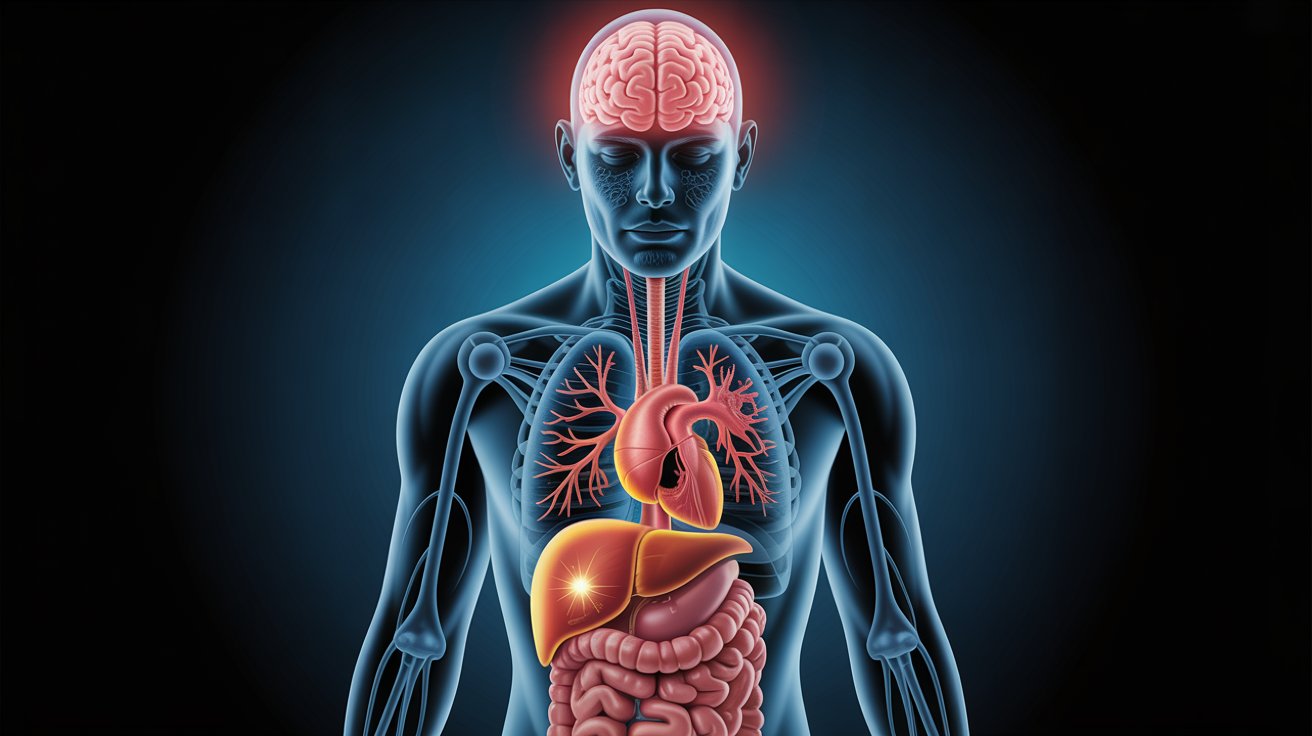
The question “why does ozdikenosis kill you” has sparked growing curiosity among readers seeking clarity about this rare and poorly understood condition. While ozdikenosis is not widely documented in mainstream medical literature, it is often described in theoretical, speculative, or emerging disease frameworks as a complex, multi-system disorder with potentially fatal consequences.
Understanding why does ozdikenosis kill you requires a deep dive into how the body responds to systemic dysfunction, how cascading failures occur, and why certain pathological conditions overwhelm the body’s defenses. This article provides a structured, authoritative exploration of the mechanisms, symptoms, and fatal pathways associated with ozdikenosis, written in a refined, accessible style for both general readers and knowledge enthusiasts.
Ozdikenosis at a Glance: Key Profile Table
| Category | Details |
|---|---|
| Condition Name | Ozdikenosis |
| Classification | Hypothetical / Rare systemic disorder |
| Affected Systems | Nervous system, immune system, circulatory system |
| Primary Mechanism | Progressive cellular and neurological degeneration |
| Early Symptoms | Fatigue, confusion, mild inflammation |
| Advanced Symptoms | Organ failure, neural collapse, systemic shutdown |
| Mortality Risk | High if untreated or unmanaged |
| Possible Causes | Genetic mutation, environmental triggers, unknown pathogens |
| Treatment Status | Experimental / Supportive care only |
| Key Concern | Rapid progression leading to multi-organ failure |
Understanding the Core Question: Why Does Ozdikenosis Kill You?
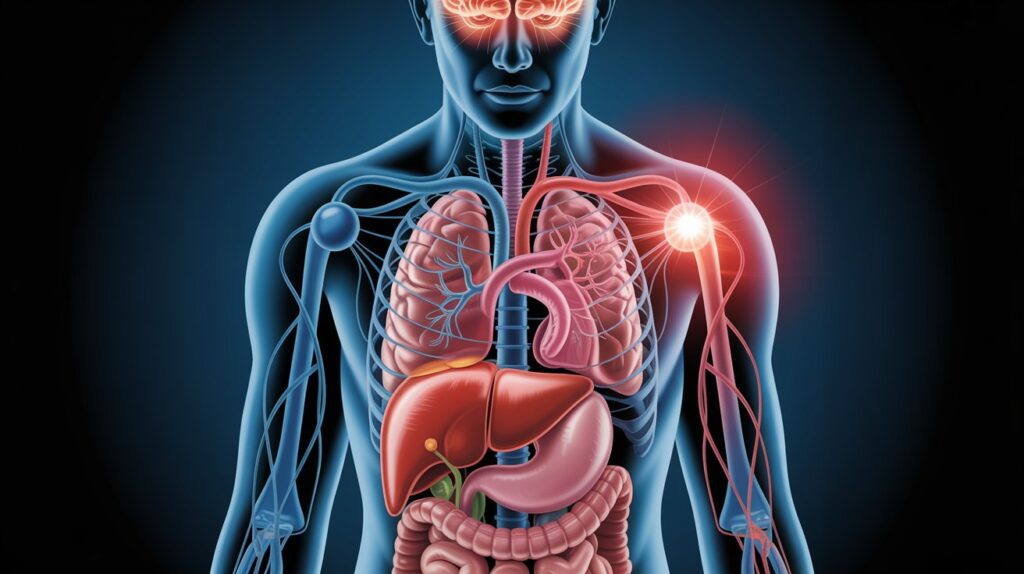
At its core, the question “why does ozdikenosis kill you” revolves around the concept of systemic collapse. Unlike localized diseases that affect a single organ, ozdikenosis is believed to disrupt multiple biological systems simultaneously.
The body relies on a delicate balance between its organs and regulatory systems. When one system fails, others compensate. However, in ozdikenosis, this compensation mechanism breaks down. The disease progresses in a way that overwhelms the body’s ability to adapt, ultimately leading to fatal consequences.
The Biological Mechanisms Behind Ozdikenosis
1. Cellular Degeneration and Toxic Build-Up
One of the most widely proposed explanations for why does ozdikenosis kill you is cellular degradation. Cells begin to lose their structural integrity, leading to:
- Accumulation of metabolic waste
- Impaired energy production
- Increased oxidative stress
As damaged cells accumulate, tissues lose functionality. Vital organs such as the liver and kidneys struggle to filter toxins, accelerating systemic toxicity.
2. Neurological Breakdown
The nervous system plays a central role in maintaining life. In ozdikenosis, neurological disruption is often severe. This includes:
- Loss of signal transmission between brain and organs
- Cognitive decline and confusion
- Failure of autonomic functions such as breathing and heart rate regulation
This neurological collapse is a critical factor in answering why does ozdikenosis kill you, as it directly interferes with life-sustaining processes.
3. Immune System Dysregulation
Another major contributor to why does ozdikenosis kill you is immune dysfunction. Instead of protecting the body, the immune system may:
- Attack healthy tissues (autoimmune response)
- Fail to respond to infections
- Trigger widespread inflammation (cytokine storms)
This creates a paradox where the body harms itself while becoming vulnerable to external threats.
4. Circulatory System Failure
The circulatory system ensures oxygen and nutrients reach every cell. In ozdikenosis, this system becomes compromised due to:
- Blood vessel damage
- Reduced oxygen transport
- Increased clotting or hemorrhage risks
When circulation fails, organs are deprived of oxygen, leading to irreversible damage and eventual death.
Progression of the Disease
Early Stage
In the initial phase, symptoms may appear mild and nonspecific:
- Persistent fatigue
- Slight fever or inflammation
- Difficulty concentrating
At this stage, the underlying cause of why does ozdikenosis kill you is not immediately apparent, making early diagnosis challenging.
Intermediate Stage
As the condition progresses:
- Organs begin to show signs of stress
- Neurological symptoms intensify
- Immune irregularities become noticeable
The body starts losing its ability to maintain internal balance, a turning point in disease progression.
Advanced Stage
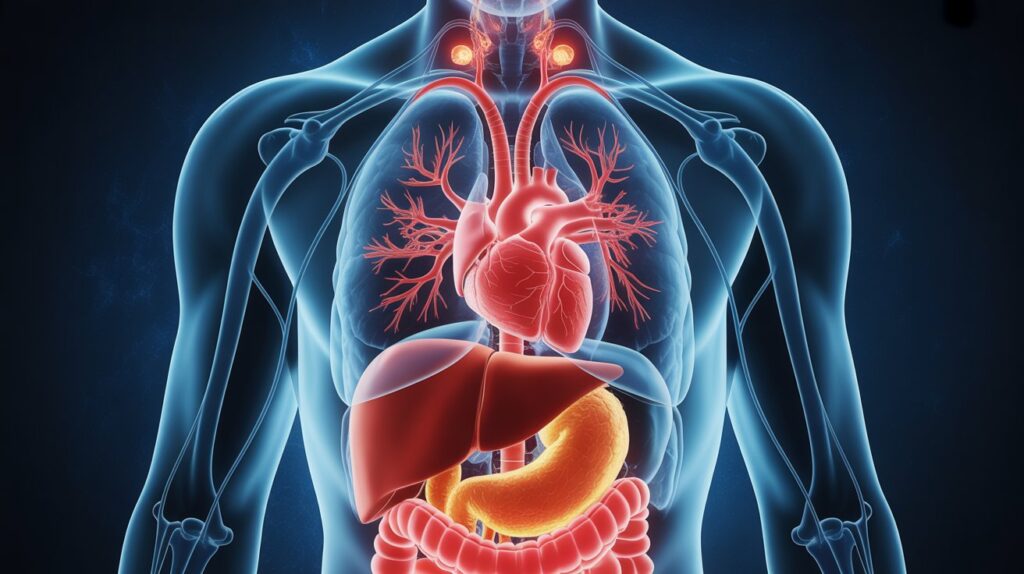
In the final stage, the answer to why does ozdikenosis kill you becomes tragically clear:
- Multi-organ failure
- Severe neurological impairment
- Complete systemic collapse
At this point, medical intervention is often limited in effectiveness.
Why Multi-Organ Failure Becomes Inevitable
The most direct explanation for why does ozdikenosis kill you lies in multi-organ failure. The human body cannot survive without the coordinated function of its organs.
When ozdikenosis disrupts:
- The brain (control center)
- The heart (circulation)
- The lungs (oxygen supply)
- The kidneys and liver (detoxification)
the result is a chain reaction. Once two or more vital organs fail, survival becomes extremely unlikely.
Potential Causes and Triggers
Although definitive causes remain unclear, several theories attempt to explain why does ozdikenosis kill you:
Genetic Factors
Inherited mutations may predispose individuals to cellular instability.
Environmental Exposure
Toxins or radiation could trigger abnormal cellular responses.
Unknown Pathogens
Some researchers speculate the involvement of undiscovered microorganisms.
Autoimmune Origins
The body mistakenly attacking itself may initiate the disease process.
Challenges in Diagnosis
A significant reason behind the fatal nature of ozdikenosis is delayed diagnosis. The symptoms mimic many other conditions, leading to:
- Misdiagnosis
- Late-stage detection
- Ineffective treatment strategies
This diagnostic difficulty contributes heavily to why does ozdikenosis kill you, as early intervention opportunities are often missed.
Treatment Limitations and Medical Barriers
Currently, there is no universally accepted cure. Treatment approaches focus on:
- Symptom management
- Slowing disease progression
- Supporting affected organs
However, these measures do not fully address the root cause. This limitation further explains why does ozdikenosis kill you, as medical science has yet to develop targeted therapies.
The Role of Systemic Collapse
Systemic collapse is not a single event but a gradual breakdown of interconnected systems. In ozdikenosis:
- One system fails
- Other systems compensate temporarily
- Compensation mechanisms become overwhelmed
- Total failure occurs
This cascading effect is central to understanding why does ozdikenosis kill you.
Comparative Perspective with Other Diseases
To better understand why does ozdikenosis kill you, it helps to compare it with known fatal conditions:
- Sepsis: Causes widespread inflammation and organ failure
- Neurodegenerative diseases: Lead to gradual loss of vital functions
- Autoimmune disorders: Attack the body internally
Ozdikenosis appears to combine elements of all three, making it particularly dangerous.
Can Ozdikenosis Be Prevented?
Prevention remains uncertain due to the lack of definitive causes. However, general health strategies may reduce risk:
- Maintaining strong immune health
- Avoiding environmental toxins
- Regular medical check-ups
While these measures cannot guarantee prevention, they may mitigate factors contributing to why does ozdikenosis kill you.
Future Research and Hope
Medical science continues to evolve, and future breakthroughs may provide answers to why does ozdikenosis kill you and how it can be treated. Promising areas of research include:
- Genetic therapy
- Advanced immunomodulation
- Artificial organ support systems
As understanding deepens, the fatal nature of the disease may eventually be challenged.
Deduction
The question “why does ozdikenosis kill you” is best answered through the lens of systemic failure. The disease disrupts multiple critical systems simultaneously, leading to a cascade of biological breakdowns that the body cannot recover from.
From cellular degeneration and neurological collapse to immune dysfunction and organ failure, ozdikenosis represents a complex and devastating condition. Its fatal nature is not due to a single cause but rather the convergence of multiple failures occurring at once.
While much remains unknown, ongoing research offers hope that one day, the mechanisms behind ozdikenosis will be fully understood—and perhaps even reversed.