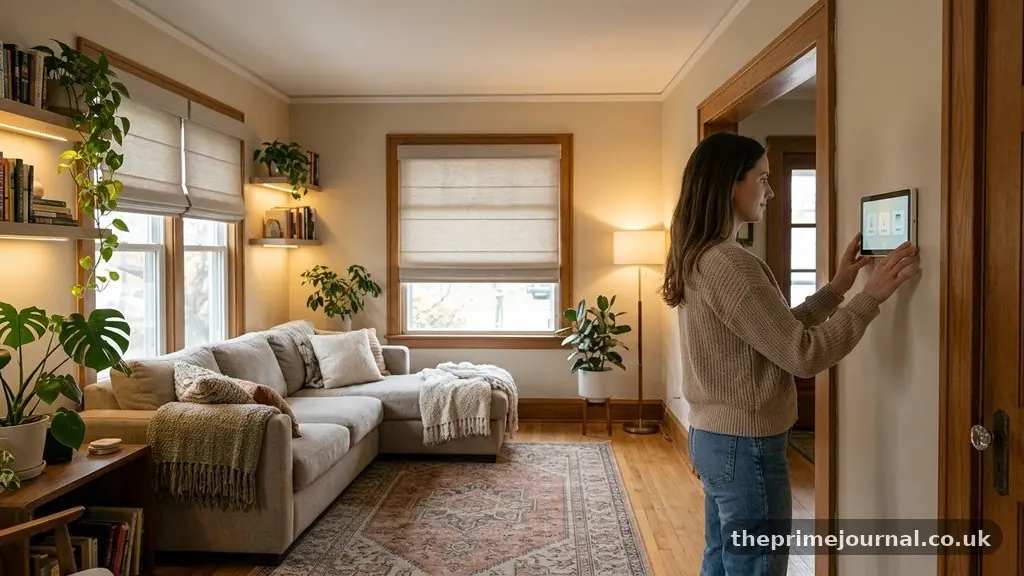
Small changes can make a home feel calmer, warmer, brighter, and easier to use. The best easy Home Improvements That Make Everyday Living More Comfortable usually solve everyday annoyances: a chilly hallway, harsh lighting, cluttered counters, poor airflow, or a desk that leaves your shoulders aching.
You don’t need a major renovation to notice a difference. The ideas below focus on practical upgrades, sensible costs, and improvements you can complete room by room, with attention to comfort, energy use, accessibility, and the way your household actually lives.
Start with the changes you feel every day
The quickest wins usually involve temperature, lighting, storage, and seating. These affect morning routines, cooking, working, relaxing, and sleeping, so even a modest improvement gets repeated value rather than being noticed only once.
Begin by walking through your home at different times of day. Notice where sunlight creates glare, where cold air gathers, which doors stick, and which objects are always in the way. A short list of recurring frustrations is more useful than an ambitious renovation wish list.
For many households, the first practical sequence looks like this:
- Replace harsh or outdated bulbs with warm, efficient LED lighting.
- Seal obvious drafts around doors and windows with weatherstripping or caulk.
- Move frequently used items closer to where they are needed.
- Add task lighting and ergonomic support to work or study areas.
- Improve bedroom darkness with blackout curtains or better window coverings.
- Remove a small amount of visual clutter from the busiest surface in each room.
These projects are easy because they rarely require changing walls, plumbing, or electrical circuits. They also let you test what works before spending more on a larger improvement.
A useful rule is to fix friction before adding features. If a drawer is difficult to open, a lamp is hard to reach, or coats pile up by the door, solving that problem will improve daily life more than buying another decorative item.
Make rooms brighter without making them harsher
Lighting has a strong effect on how comfortable a room feels. A single bright ceiling fixture often creates shadows and glare, while layered lighting lets you match the room to the task.
Use ambient light for general visibility, task lighting for activities such as chopping or reading, and accent lighting to soften darker corners. A table lamp beside a sofa, an under-cabinet strip in the kitchen, or a small wall light near a hallway mirror can make a space feel more usable without construction.
LED lighting is a practical starting point because LED bulbs generally use less electricity and last longer than older incandescent bulbs. Choose a warmer colour temperature for bedrooms and living rooms, then use a more neutral white in kitchens, bathrooms, workshops, or desks where accurate visibility matters.
Bulb brightness matters too. A low-output bulb may leave a kitchen worktop gloomy, while an overly powerful bulb can make a bedroom feel clinical. Check the lamp’s recommended wattage and consider lumens, which measure visible light more directly than watts.
Use controls that fit the room
Dimmer switches can make one light serve several purposes, but compatibility matters. Some LED bulbs require dimmable labels and a suitable switch, so check both before installation and use an electrician if the wiring is unfamiliar.
Motion sensors are useful in utility rooms, closets, and hallways where people often enter with full hands. Plug-in timers or smart home devices can also turn lamps on and off automatically, giving you convenience without installing a complete connected lighting system.
Don’t overlook daylight. Clean windows, lightweight curtains, and a mirror placed across from a bright window can spread natural light. Keep television screens and computer monitors away from direct glare, or adjust the angle before buying more equipment.
Improve temperature control and reduce drafts
A home feels uncomfortable when rooms are too hot, too cold, or unevenly heated. Before replacing a heating or cooling system, check whether air is escaping around doors, windows, attic hatches, or service openings.
Weatherstripping around a movable door or window sash is one of the simplest draft fixes. Adhesive foam is easy to install, while more durable rubber or silicone products can work better in heavily used areas. A door sweep can reduce cold air entering beneath an exterior door.
Use caulk for stationary gaps around window frames and trim, but don’t seal intentional ventilation openings. If you rent, removable draft blockers and temporary window treatments may provide comfort without permanent changes.
A programmable thermostat can lower heating or cooling when the house is empty or everyone is asleep. A smart thermostat adds scheduling, remote control, and sometimes room-based sensing, but it isn’t automatically the best choice for every heating system. Confirm compatibility with the manufacturer or a qualified installer before purchasing.
Build comfort from the room itself
Ceiling fans can improve comfort by moving air across the skin, allowing occupants to feel cooler without lowering the thermostat as much. They don’t actually cool an empty room, so switch them off when nobody is present and check the seasonal direction setting where relevant.
Window coverings help in both summer and winter. Blackout curtains reduce morning light and can make bedrooms more restful, while lined curtains or cellular shades can limit heat loss near cold glass. Leave safe clearance around radiators and heaters.
Longer-term improvements may include home insulation in an attic, crawl space, or accessible wall cavity. Insulation work can involve moisture, ventilation, and electrical safety concerns, so a professional assessment is sensible when the project goes beyond a small accessible area.
| Comfort problem | First improvement to try | When to consider professional help |
|---|---|---|
| Cold air near an exterior door | Weatherstripping and a door sweep | When the door is warped or the frame is damaged |
| Rooms feel different temperatures | Check vents, drafts, curtains, and thermostat placement | When heating or cooling performance is inconsistent |
| Bedroom is too bright or warm | Blackout curtains and better ventilation | When windows, roofing, or insulation have visible problems |
| Stuffy air | Ventilate appropriately and clean filters | When dampness, mould, or persistent odours remain |
Make kitchens and bathrooms easier to use
Kitchens and bathrooms contain many small sources of daily inconvenience. Water splashing, awkward storage, poor lighting, and hard-to-reach supplies can make ordinary tasks feel more tiring than they should.
Start at the sink. A pull-out spray attachment, a drying mat, or a small tray for frequently used soap and brushes can reduce reaching and cleanup. In a bathroom, a wall-mounted dispenser or a narrow shelf may keep bottles off the edge of the tub.
Water-saving fixtures can improve convenience while reducing consumption. Low-flow showerheads, efficient tap aerators, and dual-flush or water-efficient toilets are available in many styles, but check local plumbing requirements and product compatibility before installation.
Fix dripping taps promptly. A small leak is irritating, wastes water, and can eventually damage cabinets or surrounding materials. Shut off the supply before attempting a repair, and call a plumber if the valve is seized or the leak is inside a wall.
Organise around the way you work
Store heavy cookware between knee and shoulder height rather than at the back of a low cabinet. Put everyday plates, mugs, and cooking tools where they can be reached without climbing or repeatedly bending.
Drawer dividers, shelf risers, and pull-out baskets are inexpensive storage solutions that make existing cabinets more useful. Measure the opening first; a product that nearly fits can waste space and make the drawer harder to use.
In a bathroom, use non-slip mats with secure backing and improve lighting around the mirror. A brighter, evenly distributed fixture helps with shaving, applying makeup, reading labels, and spotting spills without creating strong shadows.
These changes support universal design, which aims to make spaces usable by people with different ages, abilities, and levels of mobility. Lever handles, reachable controls, clear floor space, and contrasting edges can help everyone, not only someone currently experiencing a limitation.
Reduce clutter and give everyday objects a home
Clutter is often a storage problem disguised as a cleaning problem. If keys, mail, shoes, chargers, or school bags land in the same place every day, the home needs a convenient landing zone rather than another reminder to tidy up.
Choose one high-traffic area and create a simple system. An entryway might need hooks, a shallow tray, a basket for shoes, and a small surface for outgoing items. Keep the arrangement open enough that putting something away takes seconds.
Decluttering works best in short sessions with a defined target. A single kitchen drawer or one shelf can be sorted into keep, relocate, donate, recycle, and discard categories. Stopping after a manageable area helps prevent the project from becoming an exhausting whole-house event.
Store by frequency, not by category alone
Items used daily deserve the easiest access. Seasonal decorations, specialist tools, and spare linens can go in higher or less convenient storage, while breakfast equipment and cleaning supplies should stay close to their points of use.
Clear containers can help you see what you have, but they aren’t necessary everywhere. Open baskets are often better for blankets and toys, while labelled opaque boxes may make a wardrobe or utility area look calmer.
Furniture can provide hidden capacity. An ottoman with internal storage, a bed with drawers, or a narrow console with closed compartments can hold useful items without adding visual noise. Keep walkways clear, especially near stairs and exits.
Comfort also comes from maintenance being easy. Leave enough space around vacuum cleaners, bins, filters, and utility shutoffs so that routine care doesn’t require moving half the room.
Create healthier air and a quieter atmosphere
Indoor air quality affects comfort through odours, humidity, dust, and irritation. A home can feel stuffy even when its temperature is acceptable, especially after cooking, showering, cleaning, or hosting several people.
Use kitchen and bathroom extraction fans during moisture-producing activities and for a short period afterward, where the fans vent outdoors. Clean filters and grilles regularly because accumulated dust reduces airflow and can make a fan noisier.
For practical information on pollutants, ventilation, and household sources, the U.S. Environmental Protection Agency’s indoor air quality guidance is a useful reference. Persistent dampness, visible mould, or unexplained odours should be investigated rather than covered with fragrance.
Soft furnishings can influence sound as well as appearance. Rugs, curtains, upholstered chairs, and bookcases help reduce echoes in rooms with hard floors and bare walls. Door seals may also limit hallway noise, provided the door still closes safely.
Support better sleep
Blackout curtains can help people who sleep during daylight or live near street lighting. Combine them with a comfortable temperature, a clear path to the bed, and a lamp that can be switched off without crossing the room.
Keep charging cables organised and avoid placing bright indicator lights directly beside the pillow. A small cable box or clip can prevent cords from falling behind furniture and reduce the frustration of reaching for a phone or lamp.
Plants may improve the feel of a room, but they shouldn’t replace ventilation or moisture control. Choose varieties suited to the available light and avoid overwatering, since damp soil can contribute to unpleasant smells or attract pests.
Make work, study, and relaxation more supportive
A comfortable room should support the body during the activities that happen there. An attractive chair that leaves your feet unsupported or your screen too low can create more discomfort than a plain setup arranged at the right height.
Ergonomic furniture doesn’t have to mean expensive office equipment. A chair with adjustable height, a footrest, a separate keyboard, or a monitor raised on a stable stand can improve posture using items you may already own.
Position the top of a monitor roughly near eye level and keep the screen far enough away that you aren’t leaning forward. Place the keyboard so your shoulders can relax and your elbows remain close to your body.
Let rooms change function
Many homes need spaces that serve multiple purposes. A dining table may become a homework station, a guest room may double as an office, and a living room may need clear floor space for exercise or play.
Use lightweight furniture, nesting tables, folding desks, or rolling carts when flexibility matters. A lamp with a movable head can serve reading, crafting, and video calls without requiring several fixtures.
Manage cables before they become a hazard. Route them along the back of furniture, use reusable ties, and keep power strips away from damp areas. Don’t overload outlets or hide damaged cords beneath rugs.
Comfort includes visual calm. Keep only the equipment needed for the current activity in view, then return it to a nearby storage point when finished. The goal isn’t an empty room; it’s a room that is easy to reset.
Choose energy improvements that also improve comfort
Energy efficiency feels most worthwhile when it changes how a room performs. Replacing an inefficient appliance can reduce operating costs, but choosing the right size and features also affects noise, heat, water use, and daily convenience.
Consider energy-efficient appliances when an existing refrigerator, dishwasher, washing machine, or dehumidifier needs replacement. Compare the product’s running information, capacity, noise rating, repair support, and installation requirements rather than focusing only on the purchase price.
Refrigerators need breathing space around vents, and overloaded washing machines may clean poorly. A dishwasher that fits your routine and has usable racks can save effort as well as water, even if the most expensive model is unnecessary.
Use a staged approach
Start with low-cost adjustments that reveal what the home needs. Sealing a draft may show that a room’s main issue is heat loss, while a better task lamp may prove that a costly lighting renovation can wait.
Track comfort improvements in practical terms. Note whether a room reaches the desired temperature more quickly, whether a surface stays less cluttered, or whether a family member can complete a task without assistance.
When considering insulation, new windows, ventilation equipment, or major heating changes, get more than one professional opinion. Ask what problem the work solves, how the result will be measured, and what maintenance the new system requires.
Safety should set the boundary for DIY work. Electrical alterations, gas appliances, structural changes, roof access, and plumbing inside walls may require permits or qualified tradespeople, depending on local rules.
Plan improvements by effort and impact
A simple improvement plan prevents comfort projects from turning into a scattered collection of purchases. Divide ideas into quick changes, weekend tasks, and larger investments, then choose one item that solves a problem you experience often.
Quick changes might include moving furniture, changing bulb colour, adding a door sweep, or creating a tray for keys. Weekend tasks could involve installing shelving, mounting a mirror, reorganising a pantry, or fitting curtain hardware.
Larger work includes insulation, window replacement, new extraction, accessibility modifications, and heating upgrades. These projects deserve measurements, quotes, safety checks, and a clear explanation of expected benefits.
| Project type | Examples | Best measure of success |
|---|---|---|
| Immediate adjustment | Bulbs, furniture placement, cable organisation | The task becomes easier within a day |
| Small installation | Shelving, weatherstripping, curtain hardware | Less clutter, glare, noise, or draft |
| Equipment upgrade | Smart thermostat, fan, appliance, extractor | Better control, lower waste, or improved air movement |
| Major improvement | Insulation, windows, bathroom adaptation | Measured comfort and dependable long-term performance |
Keep a small record of product names, installation dates, filter sizes, and warranty details. That information saves time later when a replacement part is needed or a contractor asks what equipment is already installed.
Try not to optimise every room at once. A well-finished entryway, bedroom, or kitchen can teach you which materials, colours, storage styles, and controls suit your household before you repeat them elsewhere.
Frequently asked questions
What is the easiest home improvement with the biggest comfort benefit?
There is no single answer for every home, but improving the problem you notice most often usually gives the best return in comfort. Draft sealing, better task lighting, blackout curtains, and a more supportive chair are strong starting points because they address common daily irritations without major construction.
Do smart thermostats really make a home more comfortable?
A smart thermostat can help maintain schedules and reduce unnecessary heating or cooling, particularly when household routines change. It must be compatible with the heating system and installed in a suitable location; otherwise, poor placement or incorrect wiring can create uneven results.
How can I improve comfort without spending much money?
Rearrange furniture to clear walking routes, replace the most troublesome bulbs with suitable LEDs, use draft blockers, wash ventilation grilles, and create a landing zone for clutter. These changes cost little or nothing and often reveal whether a larger purchase is genuinely needed.
Are blackout curtains useful outside bedrooms?
Yes. They can reduce glare in a television or work area, limit solar heat through sunny windows, and provide privacy in rooms facing busy streets. Use adjustable curtains when you need daylight during part of the day, and keep fabrics away from heat sources.
When should I hire a professional?
Bring in a qualified professional for gas work, significant electrical changes, structural alterations, roof or insulation problems, persistent dampness, and plumbing hidden inside walls. Professional advice is also sensible when an improvement could affect ventilation, fire safety, or accessibility.
Make comfort part of the way your home works
The best easy Home Improvements That Make Everyday Living More Comfortable are often modest, targeted changes: warmer light, fewer drafts, clearer storage, better airflow, and furniture that supports the body. Choose the irritation you encounter most, fix that first, and observe the result before moving to the next room.
A comfortable home doesn’t need to look perfect or contain the newest technology. It needs to help people move, rest, work, and care for one another with less effort. Start with one practical improvement this week, and let the next decision grow from what genuinely makes daily life better.