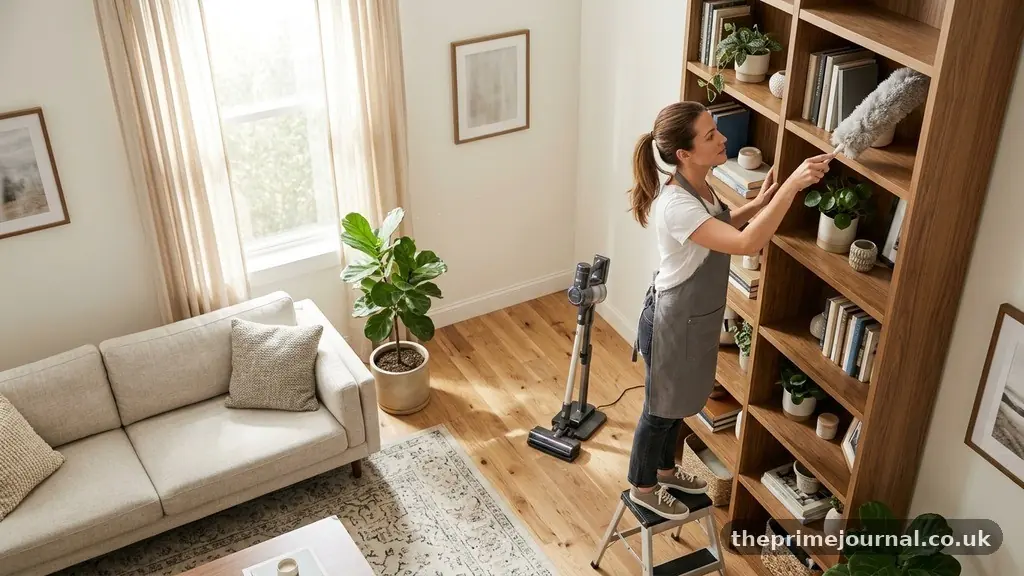
A comfortable home rarely depends on one expensive renovation; it grows from Everyday Habits That Help You Maintain a More Comfortable Home, repeated often enough to prevent small problems becoming disruptive ones. A few minutes of ventilation, sensible thermostat settings, regular decluttering, and timely cleaning can make rooms feel fresher and easier to use.
These routines also protect furniture, reduce allergens, and help household chores stay manageable. The most useful habits are simple, visible, and realistic for busy days, so you can build comfort without turning home care into a second job.
Start With Small Habits That Have the Biggest Effect
The fastest way to make a home feel more comfortable is to control the conditions you notice first: stale air, cluttered surfaces, unpleasant temperatures, dirty high-touch areas, and poor lighting. A practical daily pattern is to air out rooms when outdoor conditions are suitable, return frequently used items to their places, wipe kitchen surfaces after cooking, and reset the main living area before bed.
Five to fifteen minutes of attention at a time is usually more sustainable than saving every chore for one exhausting weekend. A short reset also exposes problems early, such as a slow drain, a damp towel, a food spill under an appliance, or a light bulb that needs replacing.
Think of comfort as a combination of cleanliness, function, and sensory calm. A room can be technically tidy yet unpleasant if it is too humid, poorly ventilated, harshly lit, or arranged around furniture that makes movement awkward.
- Open windows briefly when weather and outdoor air quality allow it.
- Clear walkways and high-use surfaces before clutter spreads.
- Wash dishes, wipe food-preparation areas, and empty wet waste promptly.
- Adjust heating or cooling gradually rather than making large temperature swings.
- Keep a small basket or tray near entry points for items that otherwise migrate around the home.
- Notice one repair or maintenance issue each week and schedule it before it worsens.
These actions work because they reduce friction. If a laundry hamper is beside the bathroom, clothes are more likely to reach it; if cleaning cloths are stored near the kitchen sink, spills are dealt with immediately instead of becoming sticky stains.
Comfort also improves when routines match the way your household actually lives. A home with pets may need frequent floor care, while a quiet one-person household might gain more from a weekly fabric-cleaning habit and better bedroom ventilation.
Build a Daily Cleaning Routine You Can Keep
A daily cleaning routine should focus on the areas that affect health and comfort most, not on making every corner spotless. Kitchens, bathrooms, floors near entrances, and surfaces touched by many people deserve attention before decorative shelves or rarely used rooms.
Start the day by making beds and opening bedroom curtains or blinds. This exposes damp bedding to air and natural light, while giving the room an immediate sense of order.
After meals, clean food residue before it dries. A quick wipe of a countertop is easier than removing hardened sauce later, and rinsing pans soon after cooking reduces odors that can linger in a small kitchen.
At night, use a short reset rather than a long checklist. Put away loose items, load or wash dishes, wipe the sink, and place tomorrow’s essentials where you’ll find them.
Choose the Right Order
Cleaning from high surfaces down to floors prevents dust from settling on areas you have already finished. Dry dusting furniture before vacuuming or sweeping is more efficient than doing those tasks in reverse.
Work from cleaner areas toward dirtier ones. For example, wipe a dining table before cleaning the floor beneath it, and clean a bathroom mirror before scrubbing the sink so splashes do not undo earlier work.
Do not use one cloth throughout the home. Separate cloths for the kitchen, bathroom, and general surfaces reduce the chance of transferring grease or bathroom residue to places where food is prepared.
Make Cleaning Visible and Easy
Store the products used most often where the task happens, provided children and pets cannot reach them. A compact bathroom caddy, a kitchen spray bottle, and a vacuum that is easy to access can remove the delay that makes small chores feel difficult.
Choose tools according to the surface. Microfiber cloths are useful for many smooth surfaces, while a soft brush can remove crumbs from textured upholstery without pressing debris deeper into the fabric.
A routine should bend during busy periods. If the full reset is impossible, protect the essentials: remove food waste, keep the sink usable, deal with spills, and leave clear paths through the rooms.
Improve Indoor Air Quality With Airflow and Humidity Control
Indoor air quality affects how a home feels even when the rooms look clean. Stale odors, condensation, dust, smoke, cleaning-product fumes, and excess moisture can all make a space less pleasant.
Ventilation is the simplest starting point. Open windows or use extractor fans while cooking, showering, or cleaning, but consider outdoor pollution, pollen, wildfire smoke, and extreme weather before bringing outside air indoors.
The United States Environmental Protection Agency offers practical information on indoor air quality and ventilation, including ways to reduce common indoor pollutants. Use guidance from local health authorities as well when outdoor smoke or high pollution is a concern.
Bathrooms need airflow after showers. Run the exhaust fan during bathing and for a period afterward, or open a window if appropriate, because trapped moisture can encourage mildew on grout, curtains, ceilings, and painted surfaces.
Kitchen ventilation matters too. Use the range hood when boiling, frying, or roasting, and leave it running briefly after cooking. If the hood vents outdoors, check that the airflow is not blocked by grease buildup or a clogged filter.
Keep Moisture Within a Comfortable Range
Humidity control is not only about comfort; it also affects condensation, odors, wood movement, and dust mites. A basic hygrometer can show whether a room is consistently damp or unusually dry, instead of forcing you to guess from fogged windows or irritated skin.
Do not dry large amounts of laundry in an unventilated bedroom or living room. If indoor drying is necessary, place the rack near good airflow and use extraction or a dehumidifier when suitable.
Very dry air can cause static, cracked wood, and throat discomfort, while excessive moisture can create condensation and musty smells. Adjust the source of the problem first, such as improving bathroom extraction or repairing a leak, before relying on a machine to mask it.
Change heating, cooling, and ventilation filters according to the equipment manufacturer’s instructions. A filter that is visibly loaded with dust can reduce airflow, make the system work harder, and circulate particles through the home.
Make Bedrooms More Restful Through Fabric Care
Bedrooms feel more comfortable when bedding is dry, fresh, and supported by a well-arranged sleeping environment. Mattress and pillow care deserves regular attention because these items collect skin flakes, sweat, oils, and dust over time.
Wash sheets and pillowcases on a schedule suited to your household, and follow the care labels for water temperature and drying. People who sweat heavily, share beds with pets, or experience allergies may need more frequent washing than someone sleeping alone in a cool room.
Use a washable mattress protector to reduce stains and keep the mattress cleaner between deeper maintenance. Air the mattress according to the manufacturer’s instructions, and rotate it only if the design permits rotation.
Pillows should be washed, dried, or replaced according to their filling and label. A pillow that has lost its shape can contribute to neck discomfort, while a damp pillow is difficult to refresh safely.
Reduce Dust Without Creating More Work
Dust mite prevention begins with reducing moisture and washing bedding regularly. Encasements for mattresses and pillows can be useful for people managing allergies, but they must fit correctly and remain intact.
Vacuum bedroom floors and the area beneath the bed instead of treating the visible walking path as the whole task. Dust and hair often collect along skirting boards, under furniture, and around radiator edges.
Wash curtains, throws, and removable cushion covers according to their labels. If a large textile cannot be washed at home, regular vacuuming with an upholstery attachment can remove surface debris until professional cleaning is appropriate.
Keep bedrooms comfortably cool and avoid storing damp clothing on chairs or floors. A closed room with wet fabric can develop a stale smell long before visible mould appears.
Use Decluttering and Home Organization to Reduce Daily Friction
Decluttering is most effective when it solves a specific problem rather than becoming an endless attempt to own less. Begin with places that create repeated irritation: a crowded entryway, an overflowing kitchen drawer, a desk covered in paperwork, or a wardrobe that makes dressing slow.
Remove broken items, duplicates, expired products, and objects that belong elsewhere. Give useful belongings a designated home, because an item without a clear storage place will usually return to the nearest available surface.
Home organization should reflect frequency of use. Keep everyday plates and pans within easy reach, place occasional serving pieces higher or farther back, and store heavy items at a safe height rather than above shoulder level.
Create Simple Drop Zones
An entryway drop zone can include hooks, a shoe tray, a small basket for keys, and a place for bags. It prevents outdoor dirt from travelling through the home and makes leaving the house less rushed.
Use trays to contain small groups of objects, such as remote controls, charging cables, or bathroom products. Containment is often more practical than trying to keep every item hidden inside a drawer.
Paperwork needs a temporary holding place and a regular decision point. A labelled folder for bills, school documents, or receipts is safer than a growing pile that must be sorted during an emergency.
Keep Surfaces Functional
Clear countertops are easier to wipe and make cooking more inviting. Leave out only the equipment used frequently, especially in a small kitchen where every appliance reduces available preparation space.
Furniture placement also affects comfort. Maintain clear routes around beds, sofas, and dining tables, and avoid positioning storage where doors, drawers, or windows cannot open fully.
A weekly ten-minute reset can prevent organizational systems from failing. Return misplaced objects, review one drawer, and remove items that have accumulated without a purpose.
Maintain Kitchens and Bathrooms Before Problems Grow
Kitchen hygiene depends on handling moisture and food residue promptly. Wipe preparation surfaces after use, wash utensils that touched raw ingredients, and clean spills inside the refrigerator before they become odour sources.
Keep separate cutting boards or wash one carefully between raw meat, produce, and ready-to-eat food. Replace boards that have deep grooves that are difficult to clean.
Check the refrigerator occasionally for expired food and wipe door seals. A dirty seal may prevent a proper closure, while blocked vents can create uneven temperatures and cause some foods to spoil faster.
Clean the kettle, coffee maker, toaster, and microwave according to their instructions. Crumbs and grease can create smells, while mineral deposits may affect appliances that heat water.
Keep Bathrooms Dry and Fresh
Bathroom maintenance becomes easier when surfaces are dried instead of left wet after every use. A squeegee on a shower wall can reduce water marks and soap residue, especially in areas with hard water.
Clean the toilet, sink, shower, and floor regularly, paying attention to the places people touch most. Handles, taps, light switches, and flush controls can be overlooked even though they receive frequent contact.
Do not mix cleaning chemicals. Store products in their original containers, follow label instructions, and ventilate the room while using strong cleaners.
Inspect silicone seals, grout, and the area around the toilet for cracking, staining, or movement. A small failed seal can let water reach flooring or cabinetry, turning a simple repair into a costly one.
Prevent Drain and Odour Problems
Use a drain strainer to catch hair and food particles rather than waiting for a blockage. Remove collected debris regularly and clean the strainer itself so it does not become a source of smell.
Run water through little-used drains from time to time. If an odour persists, a trap may be dry, blocked, or damaged, and repeated use of harsh chemicals may not solve the underlying issue.
Adjust Light, Temperature, and Furniture for Everyday Comfort
Comfort depends on how a room supports its main activity. A reading corner needs focused light, a workstation needs a stable surface and supportive seating, and a lounge needs enough open space for people to move without brushing against furniture.
Use natural light during the day when it does not create glare or excessive heat. Open blinds on the brighter side of the home, but close them during intense sunlight if rooms become hot or furnishings are exposed to fading.
Layer lighting instead of relying on one bright ceiling fixture. Ambient light, a task lamp, and a softer lamp near seating allow the room to change with the time of day.
Thermostat settings should match occupancy and activity rather than changing dramatically every few hours. Small adjustments can help avoid rooms that swing from chilly to stuffy, and a programmable or smart thermostat can follow a predictable sleep and work pattern.
Make Work Areas Easier on the Body
Ergonomic furniture is not limited to expensive office equipment. A chair that supports the lower back, a desk at a comfortable height, and a screen positioned near eye level can reduce strain during regular computer use.
Keep frequently used items within easy reach instead of twisting repeatedly for a printer, notebook, or charger. Stand up and change position during long work sessions, even if the furniture is well adjusted.
Check dining chairs and sofas for sagging cushions or unstable legs. A small repair, replacement cushion, or footrest may make a familiar room considerably more comfortable.
Use Textiles Thoughtfully
Rugs can soften sound and make hard floors warmer underfoot, but they need regular vacuuming and a secure backing. Loose edges create a trip risk, particularly near stairs and doorways.
Wash throws and cushion covers at intervals appropriate to their use. Pet bedding and frequently handled blankets may need more attention than decorative textiles placed in a low-use room.
Choose breathable fabrics in warm, humid rooms and heavier textures in spaces that feel cold or echoing. Comfort is not only visual; temperature, sound, and tactile feel all shape whether a room is inviting.
Plan Seasonal Home Maintenance Without Losing Momentum
Seasonal home maintenance works best as a set of small calendar reminders rather than a single annual ordeal. Weather changes expose different weaknesses, so a home that feels fine in spring may need attention before summer heat, autumn rain, or winter cold.
| Season | Useful focus | Why it helps |
|---|---|---|
| Spring | Clean windows, inspect screens, check leaks, refresh stored textiles | Improves daylight, airflow, and readiness for warmer weather |
| Summer | Check fans, shade sunny rooms, clean cooling filters, manage humidity | Reduces stuffiness and helps cooling equipment work effectively |
| Autumn | Clear leaves from drainage areas, inspect seals, clean heating vents | Prepares the home for rain, colder air, and increased indoor time |
| Winter | Watch for condensation, protect pipes where relevant, test alarms | Reduces moisture damage and supports safer, warmer rooms |
Before hot weather, clean fans and confirm that windows open safely. Before cold weather, check door and window seals for obvious gaps, but do not block required ventilation openings or combustion-air supplies.
Rainy seasons call for attention to gutters, downspouts, exterior drains, and areas where water meets walls. Clear visible debris and arrange qualified help if water is entering the building or a roof problem is suspected.
Cold months often increase condensation because windows stay closed and indoor activities create moisture. Dry wet coats promptly, use bathroom extraction, and avoid pushing furniture tightly against cold exterior walls where airflow is limited.
Keep a Practical Maintenance Record
Write down filter changes, appliance servicing, paint touch-ups, and repairs in one place. A note on a phone or a paper calendar is enough if everyone in the household can find it.
Record the model numbers of major appliances and the date of important maintenance. This saves time when ordering a replacement filter or explaining a fault to a technician.
Prioritize safety issues, active leaks, electrical concerns, heating faults, and structural movement over cosmetic improvements. A comfortable home is first a safe, dry, well-functioning home.
FAQ About Everyday Home Comfort Habits
How much cleaning is needed every day?
Most homes benefit from a short daily reset focused on food residue, dishes, high-use surfaces, visible spills, and clear walkways. Deeper tasks such as washing curtains or cleaning behind appliances can be scheduled weekly, monthly, or seasonally according to household needs.
How can I make a room feel fresher without using fragrance?
Remove the source of the odour, improve ventilation, wash damp fabrics, empty waste bins, and clean drains or food-preparation areas. Fragrance may cover a smell temporarily, but it does not solve moisture, mould, spoiled food, or trapped dust.
What is the easiest way to reduce clutter?
Choose one high-friction area and remove items that are broken, duplicated, expired, or used nowhere in the home. Then assign a specific storage place to what remains, keeping everyday objects closest to where they are used.
Should windows stay open all day?
Not necessarily. Brief, well-timed ventilation can refresh a room, but close windows when outdoor smoke, pollution, extreme temperatures, or high pollen makes outside air less suitable.
When should a home maintenance problem be handled by a professional?
Arrange professional help for gas concerns, electrical faults, persistent leaks, suspected mould affecting a large area, structural movement, or heating and cooling equipment that is unsafe or malfunctioning. Avoid taking apart systems unless you are qualified and the manufacturer permits that work.
Make Comfort a Gentle, Repeatable Practice
Everyday Habits That Help You Maintain a More Comfortable Home work best when they are small enough to repeat: air a room, clear a surface, dry a bathroom, care for bedding, and deal with minor repairs early. Combine those actions with sensible thermostat settings, good lighting, thoughtful storage, and seasonal checks.
Choose two habits to begin this week, then add another when they feel automatic. A home doesn’t need constant attention to feel welcoming; it needs steady care directed toward the rooms, surfaces, and systems that shape daily life.