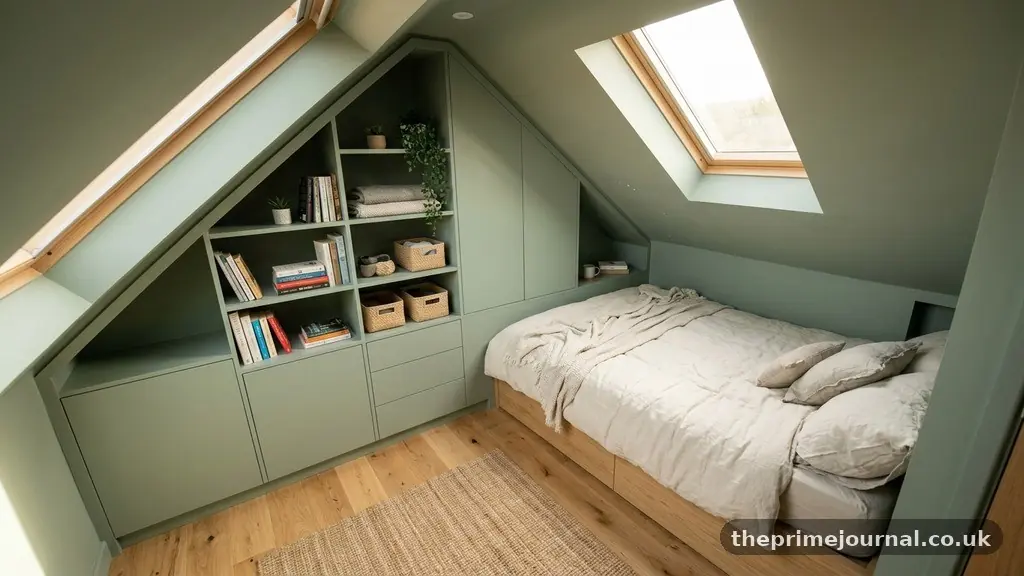
Small Bedroom Storage Ideas That Make Better Use of Space can turn a cramped room into a calmer, more practical place to sleep. The smartest solutions don’t rely on owning less alone; they use overlooked areas such as the wall above the bed, the space beneath furniture, and the inside of a wardrobe.
Good storage should make everyday routines easier, not force you to move three boxes before finding a clean shirt. You’ll find practical ways to plan the room, choose space-saving bedroom furniture, organise hidden compartments, and keep new systems useful over time.
Start With the Room’s Actual Shape
The best small-bedroom storage plan begins with measurements, not shopping. Record the room’s length and width, then measure door swings, window openings, radiator positions, electrical outlets, and the clearance around the bed.
A tall cabinet may look efficient on paper but become awkward if its doors collide with the bedroom door. Mark furniture footprints on the floor with painter’s tape before buying anything, leaving enough room for drawers to open and for a person to walk comfortably.
Prioritise storage by frequency of use. Everyday clothing belongs within easy reach, spare bedding can occupy a higher shelf, and sentimental items should not take up prime space beside the bed.
| Bedroom zone | Best storage use | Items to keep there |
|---|---|---|
| Beside the bed | Small drawers or a narrow shelf | Books, glasses, chargers, medication |
| Under the bed | Low boxes or built-in compartments | Seasonal clothes, shoes, spare linens |
| Above eye level | Closed cupboards or labelled bins | Occasional-use and keepsake items |
| Behind the door | Over-the-door organizers | Accessories, cleaning supplies, folded bags |
Keep the central floor area as open as possible. A clear walking route makes a room feel larger and prevents storage furniture from becoming a daily obstacle.
It also helps to sketch two layouts: one with the bed against the longest uninterrupted wall and another with it tucked into a corner. In many narrow rooms, moving the bed only a few inches can create enough space for a deeper wardrobe or a slim chest.
Use the Space Beneath the Bed
Under-bed storage is often the largest hidden capacity in a small bedroom. A standard bed can leave a broad, low area unused, while a storage bed may provide drawers or a lift-up base without increasing the room’s footprint.
Choose containers according to how often you’ll use their contents. Shallow rolling boxes work well for shoes and folded clothing, whereas sealed containers suit decorations, spare blankets, or documents that may stay untouched for months.
Before sliding anything underneath, measure the full height from floor to bed frame. Include the thickness of the lid and account for skirting boards, because a container that technically fits may not pull out far enough to be useful.
- Daily items: Use labelled, easy-glide boxes for handbags, slippers, or extra work clothes.
- Seasonal clothing: Fold clean garments into lidded containers or vacuum storage bags, then label each bag by season.
- Bedding: Store duvet covers and sheets together in a breathable fabric case so a complete set is easy to retrieve.
- Bulky objects: Reserve the deepest area for luggage, sports equipment, or spare pillows.
- Fragile belongings: Avoid placing electronics, photographs, or delicate textiles directly on a cold floor.
Vacuum storage bags can reduce the volume of soft textiles, but they aren’t ideal for every material. Leather, wool, down, and delicate fabrics may need breathable storage rather than prolonged compression.
Dust is another reason to use containers with secure lids. If the bed base is open, add simple fabric panels or choose boxes with covers, especially if the room has pets or the bed sits close to a window.
Don’t fill every inch. Leaving a little spare capacity means you can put laundry away quickly instead of creating a new pile on a chair.
Build Upward With Vertical Storage
Vertical storage shifts attention from the crowded floor to the unused wall above it. A narrow, tall bookcase can hold more than a wide low unit while preserving walking space, particularly beside a wardrobe or in the gap near a corner.
Floating shelves are useful where a full cabinet would feel too heavy. Install one above a desk for books and supplies, or place two staggered shelves above a bedside table for reading material and decorative objects.
Wall-mounted storage can also replace furniture that would otherwise occupy the floor. A small rail with hooks can hold tomorrow’s outfit, while a shallow pegboard can organise jewellery, hair accessories, and lightweight bags.
Use wall fixings suited to the wall type and the load. A shelf holding books needs stronger support than one displaying two framed prints, and every mounting point should be checked before placing weight on it.
The wall above the bed needs special care. Heavy shelves, mirrors, or poorly secured cabinets can create a safety risk, so use lightweight items there or install storage firmly into suitable studs or masonry.
High storage is most effective for things you don’t need every day. Put spare towels, travel bags, and seasonal accessories in the upper zone, but keep a stable step stool nearby rather than climbing on a chair.
Colour affects how vertical storage feels. Matching shelves and boxes to the wall creates a quieter appearance, while one consistent finish prevents a collection of small containers from looking visually chaotic.
Don’t turn every wall into a display. One clearly planned storage wall usually looks calmer and performs better than several unrelated shelves competing for attention.
Choose Furniture That Performs More Than One Job
Multifunctional furniture earns its place in a small bedroom by combining uses without adding extra bulk. A desk with drawers can serve as a work surface, dressing station, and home for stationery, while a bed with integrated drawers replaces separate storage units.
Storage beds are especially valuable when the room cannot accommodate a wardrobe and chest of drawers. Look for drawers that open from the accessible side, because a beautifully designed compartment is frustrating if the wall blocks it.
An ottoman bench at the foot of the bed can provide seating and concealed storage for blankets or rarely worn clothing. Choose one with a firm, stable lid and enough clearance to open it without striking the bed frame.
Bedside tables with drawers are usually more useful than open stools. A single drawer can hide chargers, lip balm, notebooks, and other small objects that otherwise spread across the room.
A narrow console may work better than a conventional desk in a particularly tight room. Add a wall-mounted mirror above it and use the surface for grooming, studying, or placing a laptop.
Pay attention to proportions rather than labels. A “small” wardrobe can still dominate a room if it is deep, while a taller unit with sliding doors may offer more usable capacity in the same floor area.
Sliding doors are useful where there is no room for a cupboard door to swing outward. They do require clear side-to-side space, though, so confirm that a bed or wall doesn’t prevent access to one side of the cabinet.
Furniture with visible legs can make the floor easier to see, which may help the room feel less crowded. Closed drawers are better for visual calm, while open cubbies work for attractive, regularly used items.
Make the Wardrobe Work Harder
Built-in wardrobes often contain more potential than their original fittings suggest. A single hanging rail leaves large areas above and below unused, so adding a second rail, shelf tower, or pull-down hanger can improve capacity without expanding the cabinet.
Wardrobe organizers should match the clothing you actually own. If you mostly wear folded knitwear, prioritise shelves; if shirts and trousers dominate, add hanging space and use slim, matching hangers to reduce wasted gaps.
Place short garments on a double-hang arrangement where possible. Shirts can occupy the upper and lower sections, while long dresses and coats need one uninterrupted vertical area.
Small accessories disappear easily inside deep shelves. Use shallow boxes, drawer inserts, or labelled pouches for belts, scarves, swimwear, and other pieces that are difficult to stack neatly.
Keep one section for clothing that is worn but not yet ready for washing. A few wall hooks or a slim valet rail can stop the “not dirty, not clean” pile from taking over the chair.
The inside of a wardrobe door is valuable too. A slim hanging organiser can hold shoes, folded bags, hair products, or cleaning cloths, provided it doesn’t prevent the door from closing.
Review the contents by category rather than pulling everything out at once. Start with one shelf, remove damaged or uncomfortable items, and return the remaining pieces in groups that make sense for your routine.
Donate or recycle items responsibly where possible, but don’t use decluttering as an excuse to discard useful belongings you genuinely wear. The aim is a wardrobe that is easier to use, not an artificially empty one.
For renters, removable hooks, tension rods, and freestanding inserts can offer many of the benefits of a fitted system. Check weight limits and avoid placing a loaded rail where it could pull paint or plaster from the wall.
Turn Awkward Corners Into Useful Zones
Small bedrooms often lose space in corners because standard furniture cannot fit neatly there. Corner shelving can convert an awkward junction into a home for books, plants, baskets, or folded accessories without projecting far into the room.
A triangular corner shelf is best for light objects and display items. For heavier storage, use a freestanding corner unit with a stable base and shelves deep enough to hold containers without leaving them half-supported.
The area behind the bedroom door deserves a deliberate look. Over-the-door organizers can hold shoes, toiletries, cables, and small daily necessities, but select a slim model so the door still opens fully.
Door hooks also create a temporary landing place for tomorrow’s coat or dressing gown. They should not become a permanent substitute for a wardrobe, so limit the number of hooks and clear them regularly.
A narrow gap beside a wardrobe may fit a pull-out tower for accessories or cleaning tools. Measure both the width and the door clearance, since a unit that slides out may still collide with nearby furniture.
Window ledges can provide limited display or storage space, but don’t block ventilation, curtains, or emergency access. Lightweight baskets may work for tissues and books, while heavier items can stress a shallow ledge.
If the room has a deep alcove, consider a curtain-fronted storage area instead of a bulky cabinet. A ceiling-mounted track and fabric panel can conceal shelves while preserving the softness of the room.
Every awkward zone needs a defined job. A corner used for books should not also become a dumping place for laundry, chargers, and paperwork, or its storage value will disappear beneath mixed clutter.
Create Storage Habits That Stay Manageable
Even excellent furniture fails when every compartment is difficult to reach. Arrange storage so the items used most often sit between waist and shoulder height, with occasional-use belongings above and heavier objects lower down.
Labels help when several boxes look identical. Use large, plain descriptions such as “winter scarves,” “spare pillowcases,” or “camera cables” rather than vague labels like “miscellaneous.”
Group items by the moment they are used. A morning basket might hold a hairbrush, watch, and daily skincare products, while a bedtime drawer can contain reading glasses, hand cream, and charging cables.
Keep a small empty container for items that belong elsewhere. Empty it once a week so temporary clutter doesn’t quietly become part of the room’s permanent storage system.
Decluttering works best in short, specific sessions. Ten minutes spent sorting one drawer is more sustainable than emptying the entire bedroom onto the floor and losing momentum halfway through.
Photographing a successful cupboard arrangement can make resetting it easier. This is particularly helpful for children, shared bedrooms, or anyone who struggles to remember where small items belong.
Don’t pack drawers so tightly that they require force to open. A drawer needs a little working space, and overfilling makes folded clothes difficult to see, encouraging you to buy duplicates.
Ventilation matters around clothing and bedding. Avoid sealing slightly damp textiles, and follow the EPA’s indoor air quality guidance when arranging furniture so vents and airflow aren’t unnecessarily obstructed.
Review storage after a month rather than expecting the first arrangement to be perfect. If one basket remains untouched while another overflows, the system is giving you useful information about how the room is actually used.
Balance Capacity With Comfort and Safety
More storage isn’t automatically better. A room filled from floor to ceiling may hold plenty of belongings but feel stressful if there is no clear surface, open floor area, or restful view from the bed.
Leave enough clearance to walk safely at night. A low basket at the side of the bed may seem harmless during the day, yet it can become a trip hazard when the room is dark.
Secure tall shelving and wardrobes, especially in homes with children, pets, or frequent movement around the furniture. Anti-tip brackets can prevent a loaded unit from shifting forward when a drawer or door is opened.
Use closed storage for visually busy objects. Boxes, cables, toiletries, and folded laundry are easier to live with behind a door, while a few carefully chosen books or framed photographs can remain visible.
Lighting should support the storage plan. A small lamp attached to a wall or mounted beneath a shelf can free bedside-table space, and motion-activated lighting inside a wardrobe makes deep corners easier to use.
Materials influence maintenance. Smooth, wipeable surfaces suit areas near cosmetics and shoes, while fabric bins are pleasant for soft items but may collect dust more readily.
Use mirrors thoughtfully. A tall mirror on a wardrobe door can serve a practical purpose without needing a separate floor-standing frame, but it should be mounted securely and positioned where it won’t create glare.
Finally, keep one surface intentionally clear. A bare bedside top or uncluttered section of the dresser gives the room a visual pause and makes ordinary tidying feel achievable.
Frequently Asked Questions
What is the most effective storage idea for a very small bedroom?
Under-bed storage is often the strongest starting point because it uses a large area that otherwise has no purpose. Combine it with vertical storage, such as a tall wardrobe or floating shelves, to avoid consuming more floor space.
How can I add storage without making the room look crowded?
Use fewer, larger storage pieces instead of many small units scattered around the room. Matching boxes, closed cupboards, and furniture that shares the wall colour can reduce visual noise while still providing useful capacity.
Are storage beds better than ordinary beds?
A storage bed is a good choice when its drawers or lift-up base remain accessible in the planned layout. It may be less suitable if the bed is tightly wedged between walls, because restricted access can make the compartments inconvenient.
What should go in high shelves or the top of a wardrobe?
Store items you use only occasionally, such as seasonal clothing, spare bedding, luggage accessories, or keepsakes. Avoid placing heavy objects overhead, and use clear labels so you don’t need to unpack several boxes to find one item.
How do I stop bedroom storage from becoming cluttered again?
Give every category a defined home and keep a small amount of empty capacity in the most-used drawers and baskets. A brief weekly reset is usually more effective than waiting until every surface and compartment is full.
Make the Room Easier to Live In
The strongest Small Bedroom Storage Ideas That Make Better Use of Space match the room’s dimensions and your daily habits. Start with under-bed storage, use the walls thoughtfully, and choose multifunctional furniture only when each extra feature genuinely earns its space.
Measure before buying, label what disappears into containers, and leave a little breathing room in every system. Once storage reduces searching and keeps the floor clear, the bedroom feels more comfortable without needing a larger footprint.